You wash your hair, let it dry, and somehow it looks straight in one section and softly wavy in another. That in between texture is often what makes 2A hair so easy to misunderstand. It has enough movement to form loose waves, yet not enough definition to behave like a curlier pattern. Once you stop treating it like either pin straight hair or tight curls, the routine becomes much easier. The goal is simple: keep the scalp clean, protect the strands, use lightweight moisture, and encourage the natural wave instead of covering it with heavy products.
Understanding 2A Hair and Its Natural Pattern
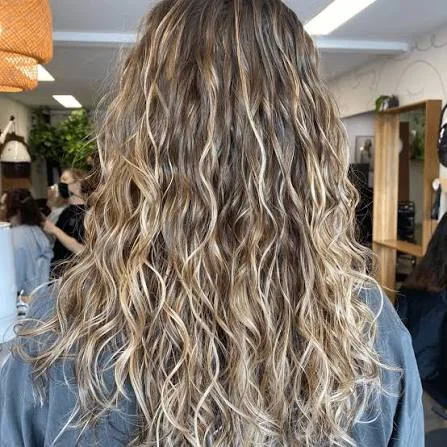
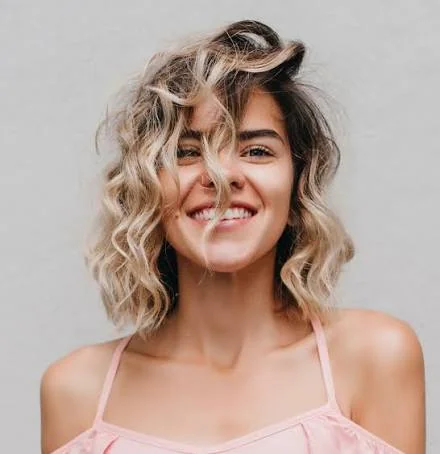
2A hair is generally considered the loosest pattern within the type 2 wavy family. The roots can look mostly straight, while the mid lengths and ends develop broad, gentle bends that may resemble a relaxed S shape. The pattern is subtle enough that brushing, humidity, water weight, or a heavy styling product can make it appear almost straight. That does not mean the texture is inconsistent or unhealthy. It simply means the wave has less structural definition than 2B or 2C hair.
The common hair typing system is useful as a starting point, but it should not be treated as a complete description of your hair. Two people can both identify with 2A hair while having different strand thickness, density, porosity, scalp oil production, and damage history. Those differences can change how often you wash, how much conditioner you need, and which styling products actually work. Your routine should therefore be based on how your hair behaves rather than the label alone.
How to Tell If You Have 2A Hair
The easiest way to assess your natural pattern is to start with clean hair and very little product. Wash and condition normally, remove excess water gently, then allow the hair to dry without brushing it into a straight shape. Look at the overall pattern rather than judging one strand. If most of the hair stays relatively straight near the crown and develops loose, irregular waves farther down, you may fit the 2A category.
Other clues can help. Your hair may have little shrinkage when it dries, roots that become oily sooner than the ends, and waves that disappear when you use rich creams or oils. It may also look more textured after air drying than it did immediately after washing. These signs are useful, but they are not a diagnosis. Hair patterns can overlap, and many people have more than one pattern across their head.
2A Hair Compared With 1C, 2B and 2C
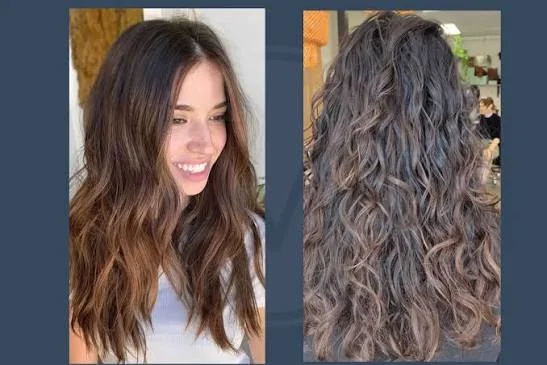
The closest comparison is often 1C because both patterns can look almost straight. The difference is that 2A usually shows a more noticeable wave, especially through the lengths and ends. Compared with 2B, the wave in 2A is broader, softer, and less defined. Type 2C normally has stronger waves that begin closer to the roots and may look more like curls in some sections.
These boundaries are not strict. Natural hair does not always follow a neat chart, and styling can temporarily change what you see. A person may have 2A sections around the front and 2B sections underneath, or the pattern may become stronger after growing out damaged hair. Use the classification to understand your texture, not to force every strand into a category.
The Biggest Challenges of 2A Hair
The central challenge is balance. Too much moisture, oil, conditioner, or styling product can flatten a loose wave and leave the hair looking limp. Too little conditioning can increase friction and make the ends feel rough or frizzy. The scalp can also become oily relatively quickly, which creates a frustrating cycle in which washing seems necessary for volume while the lengths still need protection.
Another challenge is that 2A waves are easily disturbed. Brushing after the hair dries can pull apart the wave pattern, while rough towel drying can increase frizz. Strong heat can also make the texture less predictable over time. The most effective routine is usually not the most complicated one. Small changes in product weight, drying technique, and handling can make a surprisingly large difference.
How to Build a Simple 2A Hair Care Routine
A good 2A routine begins with the scalp rather than the wave itself. Choose a cleanser that removes oil and buildup without leaving your lengths feeling stripped. Shampoo frequency should match your scalp. Some people need to wash every two or three days, while others can comfortably go longer. There is no universal schedule. If the roots look greasy and the hair loses volume, washing sooner may be more useful than adding more styling products.
Condition mainly where the hair needs it. For many people with loose waves, that means concentrating conditioner on the mid lengths and ends rather than coating the scalp. Start with a small amount and increase only if the ends still feel dry. Rinse thoroughly. If your hair repeatedly looks flat after conditioning, reduce the amount before assuming you need a stronger shampoo or a more complicated routine.
Choosing Products for 2A Hair Without Weighing It Down
Product weight matters more for loose waves than many beginners expect. A rich curl butter that works beautifully on a tighter curl pattern can make 2A hair look coated and flat. Lightweight leave in sprays, foams, mousses, and flexible gels are often easier to control. Start with a small quantity, distribute it evenly, and give your hair time to show you whether more is needed.
Ingredients should be considered in context rather than treated as a universal good or bad list. Lightweight conditioning agents can improve slip and reduce roughness, while a small amount of oil may help dry ends. The problem usually comes from using more product than the hair can support. If your waves disappear after styling, remove one product from the routine before adding another. Simplicity makes it easier to identify what your hair actually likes.
Best Styling Approach for 2A Hair
For defined waves, apply a small amount of styling product to wet or very damp hair and gently scrunch upward. This encourages the existing wave instead of trying to create an entirely new pattern. Avoid aggressive raking if it breaks apart your wave clumps. Once the product is distributed, leave the hair alone as much as possible while it dries. Touching it repeatedly can increase frizz and stretch the wave.
Mousse and foam are especially useful when volume is a priority. A light gel can be helpful when you need longer lasting definition or live in a humid environment. If gel creates a temporary firm cast, allow the hair to dry completely and then gently scrunch to soften it. The right amount is the amount that improves definition without making the hair feel coated.
How to Dry 2A Hair Without Creating Frizz
Air drying is a simple option because it uses little heat, but it requires patience. After applying your styling product, gently remove excess water and leave the waves undisturbed while they dry. If you constantly move the hair, separate sections, or brush through it, the final pattern may look less defined. A soft cotton T shirt or microfiber towel can also be gentler than vigorous rubbing with a rough towel.
If you need faster drying, use a diffuser with low or moderate airflow and a comfortable heat level. Hold the diffuser close enough to support the hair without blasting individual sections. Heat protection is sensible whenever you use a heated dryer or other hot tool. The goal is not to make the hair as dry as possible as quickly as possible. It is to remove moisture while preserving the wave and minimizing unnecessary heat exposure.
How to Add Volume at the Roots of 2A Hair
Flat roots are one of the most common complaints with loose waves. The first place to look is your product routine. Conditioner, oils, and rich leave ins placed close to the scalp can add weight exactly where you want lift. Keep richer products away from the roots and use a small amount of lightweight mousse or foam if you need extra body.
Drying position can help too. You can gently tilt your head while diffusing or use root clips to hold sections away from the scalp as they dry. A haircut with carefully placed layers may also make the wave appear fuller. Avoid assuming that more product automatically creates more volume. With 2A hair, excess product often produces the opposite result.
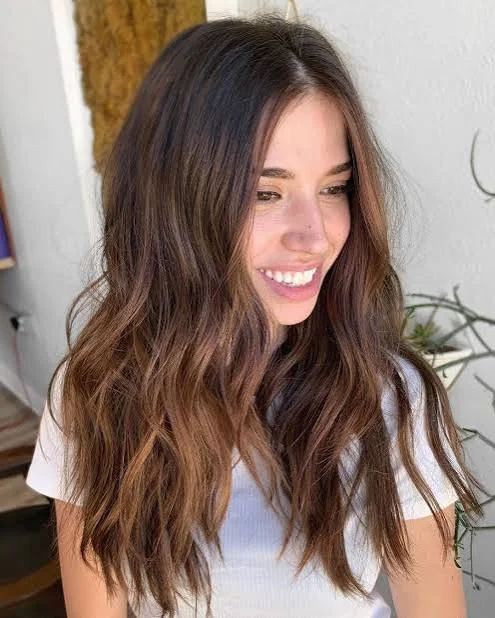
How to Reduce Frizz in 2A Hair
Frizz is not always a sign that your hair needs a heavy moisturizing treatment. Friction, dry ends, humidity, damaged strands, and frequent touching can all contribute. Start by changing the way you handle your hair. Detangle gently, avoid rough towel rubbing, and reduce brushing once the hair has formed its natural wave. A small amount of lightweight conditioning product can then smooth the surface without collapsing the pattern.
Humidity can make loose waves behave differently from day to day. Instead of fighting every change with more product, build a flexible routine. Use enough hold to keep the wave together, protect the hair from excessive heat, and accept that natural texture can vary. The goal is controlled movement rather than perfectly identical waves every morning.
Washing Frequency and Buildup for 2A Hair
There is no fixed number of washes that every person with 2A hair needs. Scalp oil production, exercise, climate, styling products, and personal preference all matter. If your roots become greasy quickly, washing more often can be reasonable. If your scalp feels comfortable and the hair remains clean, there is no need to force a particular schedule simply because an online hair chart recommends it.
Buildup can be a separate issue from natural oil. Styling products, conditioners, dry shampoo, and environmental residue may leave the hair dull or unusually heavy. A clarifying shampoo used occasionally can help when buildup is the likely cause. Do not automatically clarify whenever your hair looks flat, though. First check whether you have simply used too much product or conditioner.
Can 2A Hair Use Oils and Deep Conditioner
Yes, but the amount and frequency should match the individual hair. A few drops of a lightweight oil on dry ends may be useful when they feel rough, while a rich oiling routine may make fine waves limp. Deep conditioning can also help hair that is genuinely dry or chemically treated, but it is not automatically necessary every week. If a mask repeatedly destroys your volume, switch to a lighter conditioner or use the mask less often.
Think of moisture as a tool rather than a target that must always be maximized. Healthy hair needs appropriate conditioning, but loose waves also need enough lightness to move. If the hair feels soft yet has no body, your routine may already contain more conditioning than necessary. If the ends feel rough, tangled, or brittle, gentle conditioning and reduced heat may be more useful.
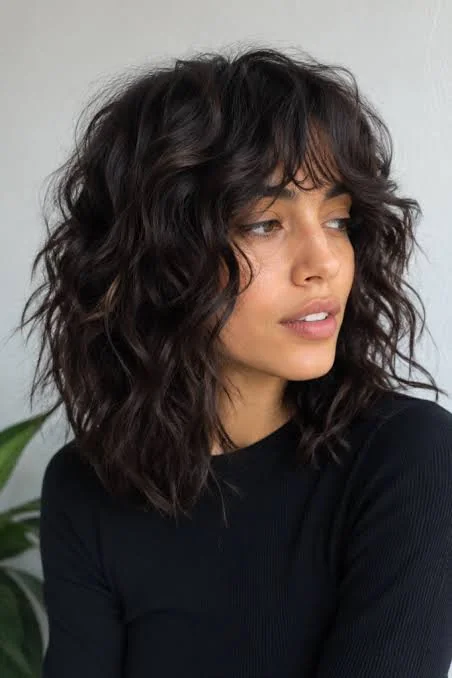
Haircuts That Work Well With 2A Hair
A haircut can change how visible a loose wave looks. Long layers can remove some weight while keeping enough length for the wave to form. Face framing layers can add movement around the front without requiring heavy styling. A blunt cut can also work, particularly when the goal is a fuller looking perimeter, but the best choice depends on strand thickness, density, and personal style.
Be cautious with very short cuts if your wave appears mainly toward the ends. Cutting away the wavy portion can make the remaining hair look straighter. Likewise, too many short layers can create unwanted puffiness or make fine ends appear sparse. Show your stylist how your hair behaves when it is naturally dry and explain whether your priority is volume, length, or visible wave definition.
Night Care for 2A Hair
Nighttime handling can affect the next morning more than expected. If your hair tangles easily, reduce friction by using a smooth pillowcase or a gentle protective method that does not crush the ends. For longer hair, loosely gathering the hair high on the head can preserve some movement, provided the tie is soft and not tight. The objective is to reduce friction without stretching the waves out.
You do not need a complicated overnight routine. In fact, adding too many steps can create product buildup and make the hair harder to manage. If your waves look good after air drying, focus on preserving them rather than rebuilding them every night. A simple, loose, low tension method is usually easier to maintain.
How to Refresh 2A Hair the Next Day
Start with the least amount of intervention. If the waves are only slightly flattened, dampen your hands and gently scrunch the lengths. You may add a very small amount of mousse or leave in spray if needed. Avoid soaking the entire head unless there is a reason to reset the style. Excess water can stretch loose waves before they have a chance to reform.
If the roots are oily, a suitable dry shampoo may help with appearance and freshness, but it should not replace regular cleansing when the scalp actually needs washing. If the hair feels coated, skip additional styling products and consider a wash instead. A refresh should revive the existing pattern, not cover a problem with another layer of product.
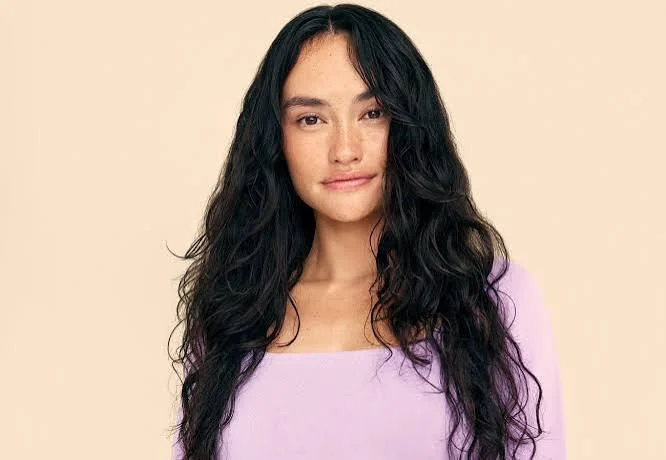
Heat Styling and 2A Hair Health
Loose waves are versatile, so 2A hair can usually be styled straight, waved more strongly, or temporarily curled. The tradeoff is that repeated high heat can contribute to dryness and damage. Use a heat protectant according to its directions, choose a reasonable temperature, and avoid repeatedly passing a hot tool over the same section. Letting your natural texture do some of the styling work can reduce how much heat you need.
A diffuser can be particularly useful when you want to preserve your wave while drying. A round brush can create a smoother blowout, while a curling iron can make the wave more pronounced for a special occasion. These are styling choices rather than requirements for healthy hair. The healthiest routine is the one that achieves your preferred look with the least unnecessary stress on the strands.
Common Mistakes People Make With 2A Hair
One common mistake is copying a routine designed for much tighter curls. Layering a rich leave in, cream, oil, gel, and mask may be reasonable for another texture but can overwhelm a loose wave. Another mistake is washing less often than the scalp actually needs because of a rigid curly hair routine. If your roots are oily, cleanliness is part of good hair care, not something to avoid simply because your hair is wavy.
A third mistake is brushing the hair after the wave has formed. Brushing can make the hair look bigger and less defined, especially when the strands are dry. Rough towel drying, excessive heat, and constant touching can create similar problems. Before buying another product, look at your handling habits. Often the easiest improvement costs nothing.
A Practical Weekly Routine for 2A Hair
On a wash day, cleanse the scalp thoroughly and condition the mid lengths and ends. Gently remove excess water, then apply a small amount of lightweight styling product to wet hair. Scrunch to encourage the wave and air dry or diffuse on a gentle setting. Once completely dry, leave the hair alone unless you want to soften a gel cast with clean hands.
On non wash days, assess rather than automatically restyle. If the hair looks good, do nothing. If the waves need help, use damp hands or a light mist and scrunch gently. If the roots are oily, use a suitable scalp product or wash when needed. Every few weeks, consider whether buildup is affecting the hair and clarify only when your routine calls for it.
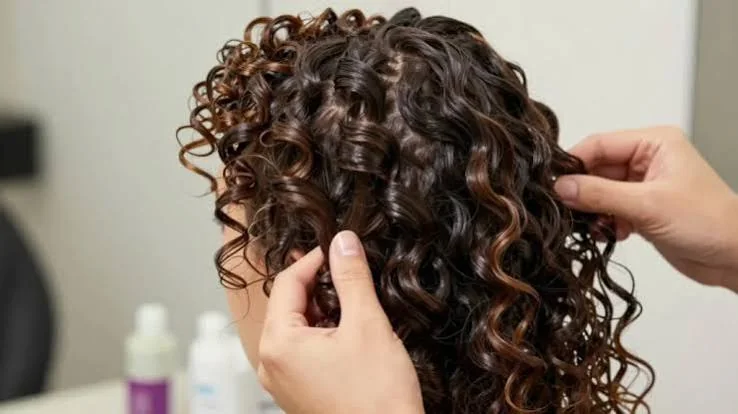
When Your 2A Hair Suddenly Changes
Hair texture can appear different after coloring, bleaching, illness, hormonal changes, medication changes, significant stress, or repeated heat styling. Even without a major change, seasonal humidity can make a loose wave look stronger or weaker. Do not assume that a new appearance means your hair type has permanently changed. Compare how your hair behaves over several washes before changing your entire routine.
If you notice sudden and significant shedding, scalp pain, persistent itching, sores, or other concerning symptoms, a dermatologist is a better source of advice than a curl chart. Hair typing is primarily a styling framework. It cannot explain every change in hair or scalp health, and it should never replace professional assessment when something seems unusual.
How to Choose Between More Definition and More Volume
2A hair often involves a tradeoff between definition and lift. More styling product can make the wave clearer but may reduce root volume. Less product can create airy movement but leave the wave softer. Decide what matters most for the day. For a relaxed look, use minimal product and air dry. For stronger definition, add a small amount of mousse or light gel and use gentle diffusing.
Your haircut can support the same decision. Longer layers may help create movement, while a fuller perimeter can make fine hair appear denser. There is no single best style for every 2A head. The best choice is the one that works with your actual density and the amount of time you want to spend styling.
Final Thoughts on 2A Hair
The easiest way to care for 2A hair is to stop asking it to behave like something it is not. Its loose waves are naturally subtle, so heavy products and aggressive styling can hide the texture you are trying to reveal. Focus on clean roots, comfortable conditioning, gentle handling, lightweight hold, and sensible heat use. Then adjust one variable at a time so you can see what actually improves your hair.
You also do not need to chase a perfect wave pattern. Some days your hair may look almost straight, while another day brings more movement. That variation is normal. When your routine is light enough to preserve volume and strong enough to control frizz, 2A hair can look polished without requiring a long list of products or complicated techniques.

FAQs
What is 2A hair?
2A hair is the loosest pattern in the type 2 wavy category. It usually looks relatively straight near the roots and forms soft, broad waves through the mid lengths and ends. The pattern is subtle and can easily be stretched out by brushing, water weight, or heavy products.
Is 2A hair straight or wavy?
It is generally classified as wavy rather than straight. The distinction comes from the natural wave pattern that appears when the hair dries without being brushed or weighed down. Because the wave is loose, some sections can still look almost straight.
How do I know if my hair is 2A or 2B?
Look at how strong and how early the wave forms. 2A usually has a gentle, broad wave that becomes visible farther down the hair. 2B tends to have more noticeable S shaped waves that begin closer to the roots and hold their shape more strongly.
Can 2A hair become curlier naturally?
Styling can make the existing wave look stronger, but it does not permanently change the natural pattern. Scrunching, mousse, gentle diffusing, and suitable hold can reveal more texture. Humidity can also temporarily make waves appear more pronounced.
How often should I wash 2A hair?
Wash according to your scalp and lifestyle rather than following a fixed rule. Many people with loose waves prefer washing every few days because the roots can become oily. If your scalp needs more frequent cleansing, that can be appropriate. If it stays comfortable and clean longer, you can wash less often.
Is conditioner good for 2A hair?
Yes, but use an amount that matches your hair. Applying conditioner mainly to the mid lengths and ends can provide softness without flattening the roots. If your hair becomes limp after conditioning, reduce the amount or choose a lighter formula.
What products are best for 2A hair?
Lightweight products are usually easiest to control. Mousse, foam, light gel, and leave in sprays can enhance the wave without adding too much weight. Your ideal combination depends on strand thickness, density, scalp oiliness, climate, and how much hold you want.
Should I use curl cream on 2A hair?
You can, but many curl creams are richer than loose waves need. If you want to try one, use a very small amount and see how your hair responds. If the waves become flat or greasy, switch to a lighter foam, mousse, or spray.
How can I make 2A hair more voluminous?
Keep heavy products away from the roots, use lightweight styling products, and avoid applying too much conditioner near the scalp. Root clips and gentle diffusing can also add lift. A haircut with suitable layers may improve movement and make the hair appear fuller.
How can I reduce frizz in 2A hair?
Use gentle handling, avoid rubbing the hair with a rough towel, and limit brushing after the wave has formed. A small amount of lightweight conditioning product can help smooth the strands. Heat protection and reduced heat exposure are also useful when styling.
Is air drying good for 2A hair?
Air drying can work very well because it avoids direct heat. The important part is to leave the hair relatively undisturbed while it dries. If air drying leaves you with too much frizz or takes too long, gentle diffusing on a suitable setting is another option.
Can I use a diffuser on 2A hair?
Yes. A diffuser can help dry loose waves while supporting their shape. Use a gentle airflow and comfortable heat level, and avoid aggressively moving the hair while it is still wet. A heat protectant is sensible when heat is involved.
Does 2A hair need a deep conditioner every week?
Not necessarily. Deep conditioning can be useful when the hair is genuinely dry or damaged, but a rich mask may flatten loose waves. Start with regular lightweight conditioning and add deeper treatment only when your hair shows a need for it.
Can 2A hair use hair oil?
Yes, especially on dry ends, but use a small amount. Fine or low density waves can become flat when too much oil is applied. If your hair repeatedly loses volume after oiling, reduce the quantity or use the oil only before washing rather than as a finishing product.
What haircut is best for 2A hair?
There is no single best cut, but long layers, gentle face framing, and carefully shaped medium length styles can work well. The right choice depends on density, strand thickness, face shape, and whether you want more volume or more length. Tell your stylist how your hair behaves when dry.
Can 2A hair be damaged by heat?
Yes. Repeated high heat can contribute to dryness and damage regardless of hair pattern. Use heat protection, avoid unnecessarily high temperatures, and limit repeated passes with hot tools. Air drying or gentle diffusing can reduce how much direct heat your hair receives.
Why does my 2A hair look straight when wet?
Water adds weight and temporarily stretches a loose wave. As the hair dries, the natural bends can become more visible. This is one reason it is better to assess your pattern after the hair has dried naturally rather than judging it immediately after washing.
Why does my 2A hair get oily quickly?
Loose waves have a smoother path from the scalp through the lengths, so natural scalp oils may spread more easily than they do through tighter curl patterns. Product buildup can add to the appearance of oiliness. Adjust washing frequency and product quantity to your own scalp needs.
Can 2A hair be both fine and thick?
The curl pattern describes shape, not every property of the hair. Many people with 2A hair have fine or medium strands, but individual heads can vary in strand thickness and density. That is why one person may need very little product while another can tolerate more.
Should I brush 2A hair when it is dry?
If your goal is to preserve visible waves, dry brushing may separate and stretch them. Gentle detangling while the hair is wet or conditioned is often easier. If you prefer a brushed, fuller look, you can brush dry hair intentionally, but expect the wave pattern to become softer.
What is the simplest 2A hair routine?
Cleanse the scalp when it needs washing, condition the lengths lightly, apply a small amount of mousse or another lightweight styler to wet hair, scrunch, and air dry or diffuse gently. Keep the routine simple and change only one product or technique at a time so you can learn what your hair prefers.