A hair mask is one of the simplest ways to give dry, frizzy, dull, or processed hair a more intensive conditioning step. Unlike a quick conditioner, a mask is usually richer and is designed to stay on the hair longer. The right formula can improve softness, manageability, shine, and the appearance of damaged strands without turning wash day into a complicated routine.
The important part is choosing a treatment that matches what your hair actually needs. Fine hair may become flat when a rich butter based formula is used too often, while coarse or tightly curled hair may need more substantial conditioning. This guide explains what masks can realistically do, how to apply them, which ingredients are useful, and how to build a routine that fits your texture and styling habits.
What Is a Hair Mask and Why Does It Matter?
A hair mask is an intensive conditioning treatment made to provide more targeted care than a basic rinse out conditioner. Depending on the formula, it may focus on hydration, smoothing, strengthening, damage support, or a combination of these goals. Many masks contain richer concentrations of oils, butters, conditioning agents, proteins, peptides, or humectants.
Masks are useful because everyday hair is exposed to repeated washing, heat styling, coloring, brushing, sunlight, and friction. These factors can leave the cuticle rougher and make strands feel dry or tangled. A well chosen treatment can temporarily smooth the hair surface, improve slip, and make the hair easier to detangle and style. It does not permanently reverse every form of damage, but it can make damaged hair feel and look substantially better.
What Can a Hair Mask Do for Your Hair?
The most noticeable benefit is often improved feel. Hair may become softer, easier to comb, less rough, and more reflective after conditioning ingredients coat and smooth the strands. Masks can also help reduce the appearance of frizz because smoother strands are less likely to catch and separate unevenly. The result is usually more manageable hair rather than a dramatic transformation of the hair fiber.
A mask can also support moisture retention and reduce the rough feeling that comes with dryness. Some formulas are designed around strengthening ingredients such as hydrolyzed proteins or specialized bond focused systems, while others emphasize emollients and oils. The best choice depends on whether your main problem is dryness, breakage, frizz, color related stress, or a combination of concerns.
Choose a Hair Mask by Your Hair Type
Hair Mask for Dry and Coarse Hair
Dry or coarse hair often benefits from richer conditioning because the strands can feel rough and lose moisture easily. Look for formulas containing emollients such as shea butter and plant oils, together with humectants such as glycerin. Apply enough to coat the lengths and ends evenly, but do not assume that using a larger amount will create better results.
If your hair remains dry even after conditioning, consider whether frequent heat, chemical processing, harsh cleansing, or environmental exposure is contributing to the problem. A mask can support the routine, but it works best alongside gentler washing, careful detangling, and sensible heat protection.
Hair Mask for Fine or Oily Hair
Fine hair can benefit from a mask, but weight is the main concern. Choose a lightweight formula and concentrate it on the mid lengths and ends rather than automatically covering the roots. If your hair looks limp, greasy, or difficult to style after masking, reduce the amount or frequency instead of adding more products.
For an oily scalp, remember that the scalp and the hair lengths can have different needs. A rich mask may be perfect for dry ends while being unnecessary at the roots. Keeping the treatment targeted can help preserve volume while still improving the condition of the most weathered parts of the hair.
Hair Mask for Curly and Coily Hair
Curly and coily hair can benefit from intensive conditioning because natural oils do not always travel easily along bends and coils. A richer mask may improve slip, making detangling easier and helping curls feel softer. Apply in sections so the formula reaches the areas that are most prone to dryness.
Texture alone does not tell you exactly how often to mask. Pay attention to how your hair behaves after treatment. If curls feel flexible, soft, and defined, the routine is probably working. If they become coated, heavy, or unusually limp, use less product or increase the time between treatments.

Hair Mask for Color Treated and Heat Styled Hair
Coloring, bleaching, frequent blow drying, and hot tools can make hair feel more porous and fragile. A conditioning mask can improve softness and reduce the rough feel associated with processed hair. If your hair is colored, choose a formula that is compatible with your color routine and follow the product directions rather than leaving it on longer simply because the hair feels damaged.
For heavily processed hair, it can also help to distinguish between moisture and strengthening needs. A moisturizing mask is not identical to a protein or bond focused treatment. If the hair feels dry and rough, conditioning may be the priority. If it feels weak and breaks easily, a targeted strengthening product may make more sense as part of a balanced routine.
How to Use a Hair Mask Correctly
For most rinse out formulas, begin with clean, damp hair after shampooing. Gently squeeze out excess water so the product is not diluted and sliding away. Divide long or thick hair into sections, then distribute the mask through the areas that need it most. Many products are designed mainly for the lengths and ends, so check the label before applying a formula directly to the scalp.
Step 1: Cleanse and Remove Excess Water
Shampoo first when the product instructions call for it, then gently squeeze or towel blot the hair. Avoid rough rubbing because wet hair can be more vulnerable to mechanical stress. The goal is damp hair that can hold the treatment rather than hair dripping with water.
Step 2: Apply From the Area That Needs It Most
Start with the mid lengths and ends if those areas are dry or damaged. Use your fingers to spread the product evenly, and a wide tooth comb can help distribute it when the hair is very tangled. Fine or oily hair usually benefits from keeping heavier formulas away from the scalp unless the manufacturer specifically recommends scalp application.
Step 3: Leave It On for the Recommended Time
Processing time varies widely between products. Some modern masks are designed to work in only a few minutes, while richer treatments may call for ten, twenty, or thirty minutes. Longer is not automatically better. Follow the label because the formula was developed around a specific application time.
Step 4: Rinse Thoroughly
Rinse until the hair feels clean but conditioned rather than coated. If the mask is a rinse out treatment, you generally do not need to add another heavy conditioner afterward. A leave in product can be used later if your normal routine calls for it, but avoid stacking multiple rich products simply because the hair feels dry before it has fully dried.
Hair Mask Ingredients Worth Understanding
Ingredient lists can look intimidating, but you do not need to memorize every cosmetic ingredient. Instead, connect ingredients with the result you want. Humectants such as glycerin can help attract and retain water. Emollients such as plant oils and shea butter help soften the hair and reduce the feeling of dryness. Conditioning agents can improve slip and detangling.
Protein based ingredients can be useful when hair needs support after repeated chemical or mechanical stress, although more protein is not always better. Some hair becomes stiff or less pleasant when strengthening treatments are used too frequently. If a product makes your hair feel unusually hard or rough after repeated use, reassess the frequency and consider alternating it with a more moisturizing treatment.
Hair Mask vs Conditioner vs Leave In Conditioner
A regular conditioner is generally designed for frequent use after shampooing and is focused on quick smoothing, detangling, and conditioning. A mask is usually richer or more targeted and is used less often, although some modern masks are intentionally designed for frequent use. A leave in conditioner stays on the hair after washing and can provide ongoing softness, manageability, or styling support.
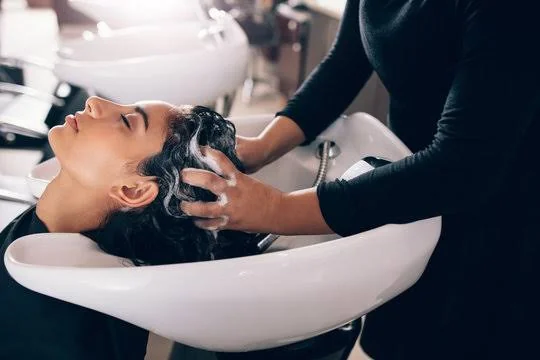
You do not automatically need all three in the same wash. Using a rich mask followed by a heavy conditioner can leave fine hair overloaded. On a mask day, many people can use the mask in place of their normal rinse out conditioner when the product directions allow it. The correct routine is the one that leaves the hair conditioned without residue or loss of volume.
How Often Should You Use a Hair Mask?
There is no universal schedule because hair texture, oil production, washing frequency, chemical processing, and the formula itself all matter. A common starting point is once a week for dry or damaged hair, while fine or oily hair may need less frequent treatment. Some textured hair routines use masks more often when the hair responds well to the extra conditioning.
Use your hair as feedback rather than treating a calendar as a strict rule. If the strands feel soft, flexible, and manageable, your frequency may be appropriate. If they become greasy, flat, coated, or difficult to style, reduce the amount or space treatments farther apart. Product directions should always take priority over a generic schedule.
Common Hair Mask Mistakes to Avoid
Using Too Much Product
More product does not necessarily mean more conditioning. Excess can be difficult to rinse and may leave hair heavy or coated. Start with enough to cover the areas that need treatment and add a small amount only when necessary.
Applying a Heavy Formula to Oily Roots
A mask designed for dry lengths can be too rich for an oily scalp. Unless the product is specifically intended for scalp use, keep richer formulas focused on the mid lengths and ends. This simple adjustment often makes the difference between soft hair and flat hair.
Leaving Every Mask on Overnight
Overnight use should never be assumed to be safe or useful for every formula. Some products are specifically made for overnight treatment, while others are intended to be rinsed after a short period. Follow the label and avoid turning a rinse out product into an overnight treatment without clear instructions.
Expecting a Mask to Make Hair Grow Faster
A conditioning mask can improve the appearance and manageability of the hair you already have, and reducing breakage may help you retain length. It does not make follicles suddenly produce hair faster. Claims about rapid growth should be treated cautiously, especially when they are based only on product marketing.
DIY Hair Mask: What to Know Before Mixing Ingredients
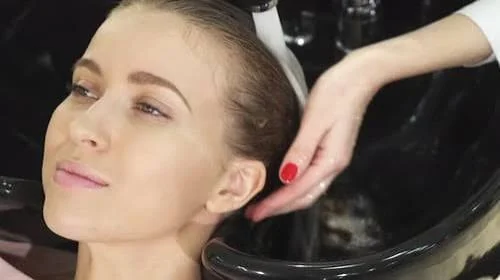
DIY treatments can be appealing because ingredients such as coconut oil, honey, avocado, and aloe are familiar household materials. However, natural does not automatically mean better or safer for every scalp and hair type. Food based mixtures can be messy, difficult to rinse, and inconsistent in concentration, while some ingredients may irritate sensitive skin.
If you try a homemade treatment, keep the recipe simple and avoid ingredients that can irritate your scalp or create hygiene problems. Do not assume that a kitchen ingredient has the same performance or stability as a professionally formulated cosmetic product. For persistent scalp symptoms, severe breakage, or unexplained hair loss, a dermatologist is a more appropriate source of advice than a DIY recipe.
How to Build a Simple Hair Mask Routine
Start by identifying the biggest problem rather than buying several masks. If the hair is mainly dry and rough, begin with a moisturizing formula. If it is heavily processed and weak, consider a product designed around strengthening or repair. If the main issue is frizz, prioritize conditioning and smoothing ingredients that improve slip and reduce surface roughness.
Give the routine enough time to judge it, but do not keep using a product that consistently makes your hair worse. Keep notes about how the hair feels when wet, how easily it detangles, how it dries, and whether it retains volume. Those observations are often more useful than judging a mask by its packaging claims alone.
Final Thoughts on Choosing a Hair Mask
The best hair mask is not necessarily the richest, most expensive, or most heavily marketed option. It is the formula that matches your hair concern and fits naturally into your routine. Dry and coarse hair may appreciate richer conditioning, while fine hair usually needs lighter application. Curly and coily textures often benefit from extra slip, and processed hair may need a balance of moisture and strengthening care.
Use a mask consistently but thoughtfully. Apply it to clean damp hair when the instructions call for that method, focus on the areas that need it, respect the recommended processing time, and rinse thoroughly. With that approach, a hair mask can become a practical weekly tool for softer, smoother, shinier, more manageable hair rather than another complicated step in the bathroom.
FAQs About Hair Mask
What is a hair mask used for?
A hair mask is used as an intensive conditioning treatment to improve softness, moisture, smoothness, shine, manageability, and the appearance of damaged or frizzy hair. Different formulas target different needs, so the best choice depends on your hair texture, condition, and styling routine.
Can I use a hair mask instead of conditioner?
Often, yes. Many rinse out masks can replace regular conditioner on the day you use them, especially when the mask is designed as a deeper conditioning treatment. Check the product directions because some masks are intended to be used differently.
How long should I leave a hair mask on?
Follow the time printed on the product label. Some masks are designed for only a few minutes, while others need ten to thirty minutes. Leaving a mask on longer than recommended does not guarantee better results and can sometimes leave hair unnecessarily coated.
How often should I apply a hair mask?
Once a week is a useful starting point for many dry or damaged hair routines, while fine or oily hair may need less frequent treatment. Curly, coarse, or highly processed hair may tolerate more frequent conditioning when the formula is suitable. Adjust based on how your hair responds.
Should I put a hair mask on my scalp?
Only if the product is designed for scalp application or the instructions specifically recommend it. Many masks are intended for the lengths and ends. Applying a rich mask to an oily scalp can contribute to heaviness or buildup.
Is a hair mask good for frizzy hair?
Yes. Conditioning masks can improve smoothness and reduce the rough, dry feel that often makes frizz more noticeable. Look for formulas that provide moisture and conditioning, and combine the mask with gentle drying and heat protection for better overall results.
Can a hair mask repair split ends permanently?
No cosmetic mask can permanently fuse a split end back together. A conditioning treatment can temporarily smooth the appearance and make the ends feel better, while trimming removes the split section. Masks are more useful for improving manageability and reducing further dryness and breakage.
Can a hair mask make hair grow faster?
A mask does not directly make hair follicles grow faster. It can improve the condition of existing strands and may help reduce breakage, which can make it easier to retain length. Persistent hair loss or sudden changes in growth should be discussed with a qualified healthcare professional.
Can I use a hair mask after coloring my hair?
Many masks are suitable for color treated hair and can help improve softness after chemical processing. Choose a formula labeled for colored hair when possible and follow its instructions. Avoid assuming that every mask is color safe simply because it is marketed as moisturizing.
Why does my hair feel greasy after a hair mask?
Greasy or limp hair can result from using too much product, applying a rich formula too close to oily roots, or masking too frequently. Try using less product, concentrating it on the lengths and ends, and increasing the time between treatments.
Can I sleep with a hair mask overnight?
Only use an overnight treatment when the product or recipe is specifically intended for overnight use. Many rinse out masks are designed to work within a short processing window. Leaving an unsuitable formula on for much longer can make hair heavy and may irritate the scalp.