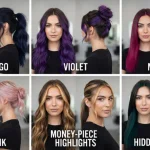
A good hair color should make getting ready feel easier, not give you another full time job. That is one reason light brown hair remains such a versatile choice. It can look warm and honeyed, cool and softly ashy, or balanced somewhere between the two. The best result depends on more than a color name. Your natural hair level, undertone, texture, haircut, previous color, and maintenance routine all affect how the finished shade looks. This guide explains the choices clearly so you can take better inspiration to your next salon appointment.
What Is Light Brown Hair and How Does It Look?
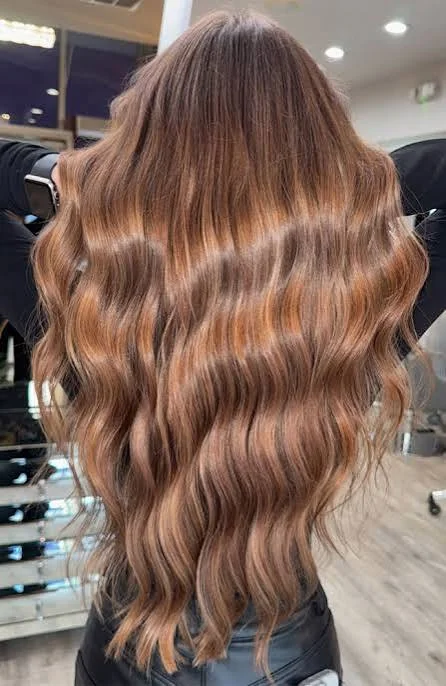
Light brown hair describes a broad family of shades that sits visually between deeper brunette colors and the lighter end of brown that can begin to resemble dark blonde. It is not one exact color. The family includes golden, honey, caramel, beige, ash, mushroom, chestnut, and neutral directions. That variety is useful because the same basic depth can be customized to create a warmer, cooler, brighter, softer, or more natural effect.
Hair color is usually discussed in terms of level and tone. Level describes how light or dark the hair is, while tone describes the underlying color quality. Your existing hair matters just as much. Natural hair and previously colored hair can respond differently to lightening and depositing color. A reference photo helps, but telling your stylist whether you prefer warmth, softness, brightness, or contrast gives them more useful information.
Why Light Brown Hair Is So Popular
The appeal of light brown hair is its middle ground. It can brighten a deep brunette base while keeping more depth than a very light blonde. It can also give naturally lighter hair a richer brunette appearance without making the result feel dramatically dark. Because the family includes warm, cool, and neutral versions, it can be adapted to different wardrobes, makeup preferences, hair textures, and personal styles.
It can also be practical when the color is blended carefully. A natural looking root with softer transitions may make regrowth less noticeable than a high contrast color. However, low maintenance is not automatic. Frequent highlights, substantial lightening, or a very precise cool tone can still require regular salon work. The technique often matters as much as the shade.
Light Brown Hair Shades to Know Before Your Appointment
Color names can sound interchangeable, but they often suggest different visual results. Looking at tone as well as depth makes it easier to choose. Warm shades reflect golden or caramel qualities, cool shades reduce obvious warmth, and neutral shades sit between the two. The descriptions below are useful starting points rather than strict formulas because brands and salons can label shades differently.
Warm Light Brown Hair With Honey and Golden Tones
Warm light brown hair can contain honey, golden, caramel, or softly amber qualities. It creates a sunny impression and can make a brunette base feel brighter without becoming blonde. If you like warm earth tones in clothing and jewelry, this direction may feel especially cohesive. A stylist can keep the warmth subtle or make it more noticeable through highlights and glossing.
Cool Light Brown Hair With Ash and Beige Tones
Cool light brown hair can lean ash, taupe, beige, or mushroom. It has a quieter appearance and can be a good choice if you prefer muted colors rather than obvious gold. Hair that naturally exposes orange or red warmth during lightening may need careful formulation and toning. The goal is controlled coolness, not simply adding as much ash pigment as possible.
Neutral Light Brown Hair for a Balanced Result
Neutral light brown hair aims for a balanced finish without strongly emphasizing either gold or ash. It can be useful when you want a natural appearance that remains flexible across different lighting. Subtle highlights, lowlights, or a gloss can add dimension without pushing the color strongly warm or cool.
How to Choose Light Brown Hair for Your Skin Undertone
Skin undertone is a useful guide, but it should not be treated as a rigid rule. Warm undertones are often complemented by honey, caramel, golden, or warm chestnut shades. Cool undertones may work well with ash, beige, mushroom, or neutral browns. Neutral undertones give you room to move in either direction. Your natural hair, eye color, contrast level, and personal taste still matter, so the most flattering shade is not determined by undertone alone.
You can also look at the colors you naturally enjoy wearing. Cream, camel, peach, warm earth tones, and gold may point you toward a warmer brown. Grey, blue, cool pink, silver, and muted neutrals may make cooler browns feel more natural. This is only a styling clue. Hair color is an expression of personal preference, not a test with one correct answer.
Light Brown Hair for Warm Undertones
Honey, caramel, golden brown, and warm beige can complement warm undertones. If you want the result to look natural, ask for warmth that is blended instead of concentrated in one strong section. Face framing pieces can brighten the appearance without making the whole head much lighter.
Light Brown Hair for Cool Undertones
Ash, beige, mushroom, and neutral brown can complement cool undertones. If your hair exposes strong orange warmth when lightened, tell your stylist before the service. The final result may require controlled toning and careful formulation rather than simply choosing the darkest ash shade.
Light Brown Hair for Neutral Undertones
Neutral undertones offer considerable flexibility. You can choose caramel for warmth, beige for softness, or a balanced neutral brown for a classic finish. If you are unsure, a dimensional neutral shade can be a useful starting point because it leaves room for later tonal adjustments.
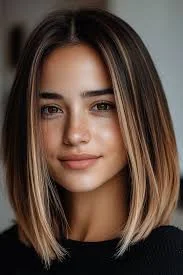
Light Brown Hair Color Techniques for Dimension
You do not need to color every strand identically. Modern techniques place lighter or darker pieces where they create the greatest visual effect. This can make brown hair look brighter, fuller, softer, or more natural while avoiding a flat single tone. The right technique depends on your starting shade and how much upkeep you want.
Light Brown Hair With Balayage
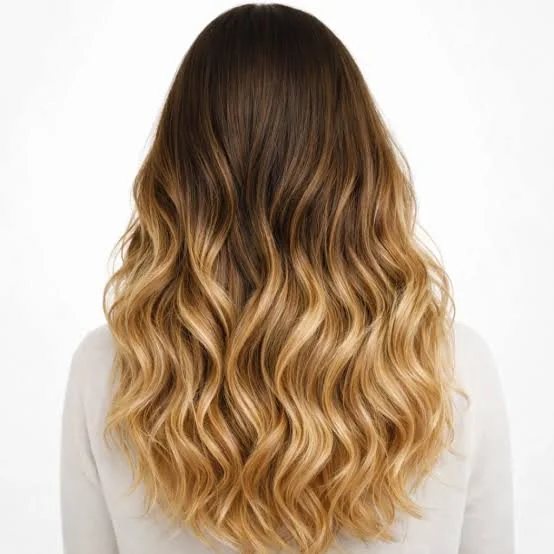
Balayage uses hand painted placement to create a blended transition between the base and lighter sections. Honey, caramel, beige, or golden pieces can give a light brown base a sunlit effect. Because the transition can remain soft near the root, regrowth may be less obvious than with strong root to highlight contrast.
Light Brown Hair With Highlights
Highlights provide a clearer pattern of brightness. Fine highlights can create a delicate veil of light, while wider pieces produce stronger contrast. If you want a natural result, discuss placement as well as color. A few strategically positioned pieces around the face can change the overall impression without making the entire head significantly lighter.
Light Brown Hair With Lowlights
Lowlights add deeper pieces to a lighter base and can make nearby brown tones appear brighter by comparison. They can be useful when repeated highlighting has made hair look too uniform or when you want to restore depth. Combining lowlights with subtle highlights can create a richer brunette result without additional lightening everywhere.
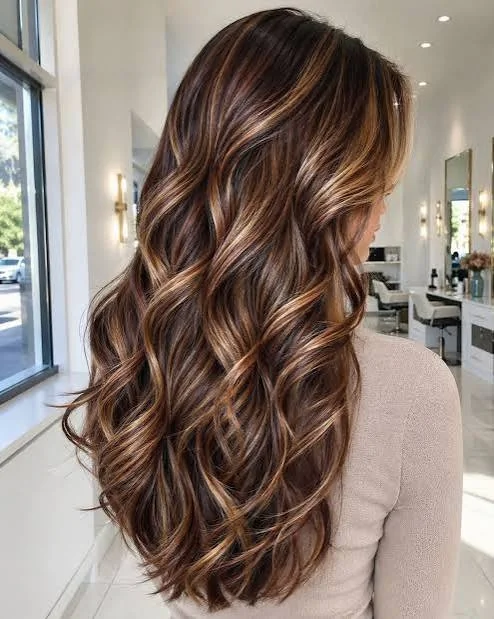
Light Brown Hair Ideas for Different Lengths
The haircut changes how a brown shade is perceived. Long layers reveal gradients because there is more length for color to travel through. Bobs make a single brown shade look clean and polished. Waves and curls scatter light across the hair and can make dimensional color appear more noticeable. Choose inspiration photos that resemble your own length and texture whenever possible.
Light Brown Hair for Long Hair
Long hair gives you room for a soft root shadow, lighter mid lengths, and brighter ends. Face framing pieces can add brightness around the eyes without making the whole style blonde. Long layers also help reveal tonal changes as the hair moves, making them a strong choice for balayage and blended highlights.
Light Brown Hair for Medium Length Hair
Medium length hair works well with almost every light brown technique. Soft waves emphasize balayage, while a straight finish can make neutral or ash tones look especially sleek. Keeping the root near its natural color and concentrating lighter pieces through the mid lengths can give you noticeable change without constant root work.
Light Brown Hair for Short Hair and Bobs
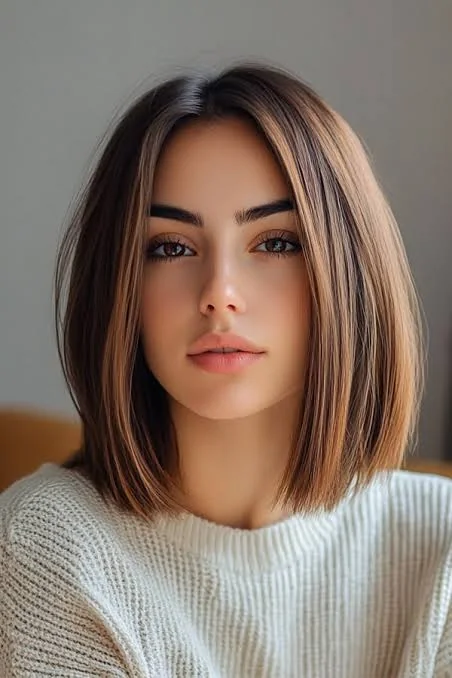
Short hair gives brown color a crisp and modern feel. A clean bob can make an even shade look refined, while subtle lighter pieces can add texture to a layered cut. Because short hair exposes placement clearly, careful formulation is important. Small changes can have a surprisingly large visual effect.
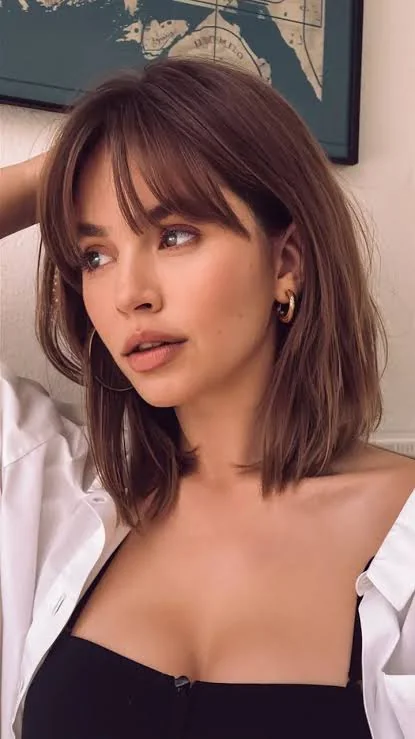
Light Brown Hair for Straight, Wavy, and Curly Textures
Texture changes how color reflects light. Straight hair can show tonal transitions clearly, so careful blending is especially important. Waves create movement between lighter and darker pieces and can make balayage look more dimensional. Curly hair reflects light from many angles, which can make subtle color variation appear richer. A shade that looks quiet on straight hair may look much more dynamic once curls are defined.
Light Brown Hair for Straight Texture
Straight hair can make an even neutral brown look exceptionally polished. Fine highlights can add brightness without breaking the clean appearance. If your hair is very straight and reflective, ask for soft transitions so the color does not appear abruptly divided into separate sections.
Light Brown Hair for Wavy Texture
Waves naturally reveal dimensional color. Honey ribbons, beige highlights, subtle lowlights, and soft balayage can catch different bends in the hair and create movement. Strong contrast is not always necessary. A gentle difference between tones can become visible once the waves are styled.
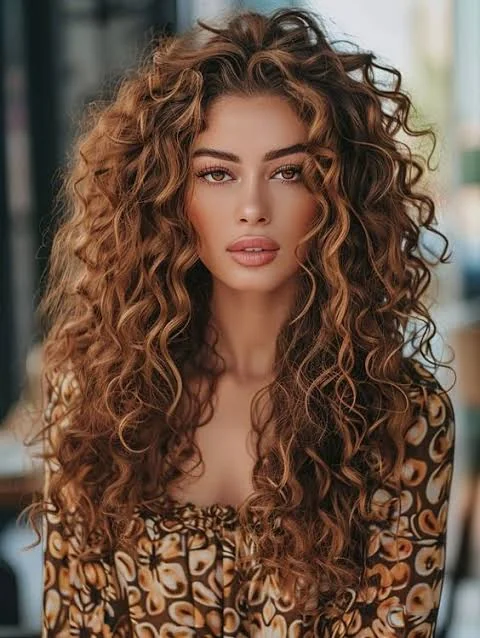
Light Brown Hair for Curly Texture
Curly hair can look especially rich when color placement follows the curl pattern. Carefully distributed lighter pieces can give definition without creating obvious stripes. Moisture also matters because dry curls often reflect less light and may make even a beautiful color appear dull.
How to Get Light Brown Hair From Different Starting Colors
Your starting shade strongly affects how easily you can reach a particular light brown. Hair that is already close to the target may need only color deposit or tonal adjustment. Darker natural hair may require controlled lightening before a lighter brown can be created. Previously colored hair is more complicated because artificial pigment does not always behave like natural pigment during a lightening service.
Hair history matters too. Previous permanent dye, bleach, henna, or strong color depositing products can change how evenly a new formula develops. If you have a history of chemical color, tell your stylist before the appointment. A strand test can also provide useful information about how the hair responds before a larger service is attempted.
How to Maintain Light Brown Hair at Home
Color care begins with reducing unnecessary stress. Use products recommended for color treated hair, avoid very hot water, and keep heat styling within a reasonable routine. If the hair has been lightened, conditioning becomes especially important. Regular trims can keep the ends looking neat, although trimming does not make color itself last longer.
Toning needs depend on the shade. Cool brown may need occasional help with unwanted warmth, while warm brown may need a different type of color refresh. Do not automatically use a strong toning product marketed for blonde hair. Brown hair with highlights and porous ends can react differently. Your stylist can recommend the appropriate type and frequency.
How Often Does Light Brown Hair Need a Refresh?
There is no universal schedule. A natural root with softly blended balayage can usually be left longer than an all over color with obvious root growth. Watch for fading, unwanted warmth, dullness, visible roots, or reduced brightness rather than following a rigid calendar. Some people need regular salon visits, while others need only occasional tonal maintenance.
A gloss or toner can sometimes refresh the appearance without repeating a full lightening service. That can be useful when the problem is tone or shine rather than depth. Repeated lightening should not be performed simply because the color looks slightly different from the day it was created.
Common Mistakes With Light Brown Hair
Choosing a shade only by its name is a common mistake. Terms such as caramel, ash, beige, honey, and chestnut can vary between products and salons. Bring photographs taken in clear natural light and explain what you like about them. You may love the brightness around the face rather than the exact brown, or the softness of the root rather than the overall shade.
Ignoring previous color is another problem. Existing pigment can affect lifting, warmth, porosity, and how strongly the ends absorb new color. Home dye can also make later salon work more difficult. Honest information about your hair history gives the colorist a better chance of creating a predictable result.
Light Brown Hair Versus Dark Blonde
Light brown hair and dark blonde can overlap visually, especially in bright daylight. Light brown generally reads as more brunette, while dark blonde usually looks lighter and more blonde leaning. Professional color levels help distinguish them, but photographs can be misleading because lighting changes how warm and light a shade appears.
If you want brightness without losing brunette depth, light brown with carefully placed highlights can provide a useful middle ground. If you want an airier overall appearance, a dark blonde direction may be more appropriate. Your stylist can assess your natural level and explain what is realistic without unnecessary processing.
Is Light Brown Hair Right for You?
Light brown hair is a strong option if you want a versatile color that can be subtle or dimensional. It gives you many ways to personalize the result through tone, highlights, lowlights, balayage, glossing, and haircut choice. The best version is not necessarily the trendiest one. It is the color that works with your natural base, desired contrast, texture, budget, and maintenance routine.
Before your appointment, collect several reference photos and decide what you like about each one. Think about whether you want warmth, coolness, brightness, depth, or a completely blended finish. Clear communication is more useful than simply saying you want light brown. Your stylist can then translate that preference into a formula and technique that suits your hair.
Final Thoughts on Light Brown Hair
Light brown hair remains popular because it can be personalized rather than copied. Honey, caramel, beige, ash, neutral, and chestnut directions create different moods within the same broad family. Balayage, highlights, lowlights, glosses, and haircut choices can change the result again. The most successful color is one that looks intentional in natural light and manageable between appointments.
Start with your current hair rather than a trend label. Consider natural level, previous color, undertone, texture, and how often you realistically want salon maintenance. Bring clear photos and ask what can be achieved without unnecessary processing. That approach gives you a better chance of leaving with a brown shade that feels natural, flattering, and genuinely yours.
FAQs
What is light brown hair?
Light brown hair is a broad family of brown shades that sits visually between deeper brunette colors and the lighter end of brown. It can be warm, cool, or neutral, and its final appearance depends on the formula, natural hair level, existing pigment, lighting, and hair condition.
Is light brown hair warm or cool?
It can be either. Warm versions may contain honey, golden, caramel, or amber qualities. Cool versions may lean ash, beige, or mushroom. Neutral versions balance both directions. The best choice depends on your natural hair, undertone, desired contrast, and personal style.
Does light brown hair suit every skin tone?
Many people can wear a variation of light brown because the shade can be adjusted in depth and temperature. Warm, cool, and neutral options create different effects. Rather than choosing one universal brown, consider your undertone, natural hair color, desired contrast, and the colors you enjoy wearing.
What is the difference between light brown hair and dark blonde?
The two shades can overlap, particularly in photographs. Light brown generally reads as more brunette, while dark blonde appears lighter and more blonde leaning. A professional colorist can assess level and underlying pigment instead of relying only on the shade name.
Is light brown hair low maintenance?
It can be, especially when the root remains close to the natural color and lighter pieces are blended. However, all over lightening, frequent highlights, and precise cool tones may require more upkeep. Technique and starting color are important factors.
Can dark hair become light brown?
Dark hair may need controlled lightening before a substantially lighter brown can be achieved. Previously colored dark hair can be more complicated because artificial pigment behaves differently from natural pigment. A professional assessment is useful before a major change.
Can light brown hair be achieved without bleach?
Sometimes. Hair that is already close to the desired level may be adjusted without extensive lightening. Darker hair generally needs a lightening process to become significantly lighter. Previously colored hair requires a separate assessment.
What light brown hair is best for warm undertones?
Honey, caramel, golden brown, and warm beige are common choices for warm undertones. The exact shade should still be adjusted for your natural hair and desired contrast. A softly blended warm brown can look more natural than an intensely golden formula.
What light brown hair is best for cool undertones?
Ash, beige, mushroom, and neutral browns can work well with cool undertones. If your hair exposes strong orange or red warmth during lightening, careful formulation and toning may be needed to create a balanced cooler result.
What light brown hair works for neutral undertones?
Neutral undertones give you flexibility. You can choose a balanced neutral brown, add caramel for warmth, or choose beige and ash for a cooler effect. Your natural hair and the amount of contrast you want should guide the final choice.
Does light brown hair work on curly hair?
Yes. Curly hair can show beautiful tonal variation because the surface reflects light from many angles. Subtle highlights and carefully placed balayage can support the curl pattern. Moisture and gentle handling are also important for keeping curls reflective.
Does light brown hair look good on short hair?
Yes. A light brown shade can make a bob, pixie, layered crop, or other short cut look polished. Short hair shows color placement clearly, so small changes in tone or highlights can have a noticeable visual effect.
How can I keep light brown hair from looking dull?
Use an appropriate color care routine, reduce unnecessary heat, protect the hair from excessive stress, and follow your stylist’s advice about glossing or toning. Dullness can result from fading, dryness, buildup, or unwanted warmth, so the correct solution depends on the cause.
How often should light brown hair be refreshed?
There is no single schedule. Balayage with a natural root can often be refreshed less frequently than all over color. Some people need regular highlights, while others need only occasional glossing or toning. Base the schedule on fading, roots, tone, shine, and hair condition.
Can I color light brown hair at home?
Simple color changes may be possible at home, but major lightening and corrections are harder to control. Existing dye, bleach, henna, and hair condition can all affect the result. Professional advice is especially useful when you want a significant change or your hair has a complicated color history.