There is a particular kind of hair day that leaves you wondering whether your hair is straight, wavy, or simply refusing to cooperate. The roots can look fairly smooth while the lengths form clear S shaped bends, and a little humidity can turn those bends into a halo of frizz. If that sounds familiar, 2b hair may be a useful description of your natural pattern rather than a problem you need to fix.
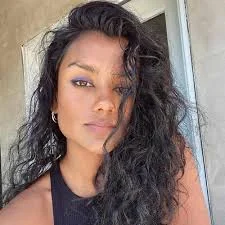
What 2b hair actually looks like
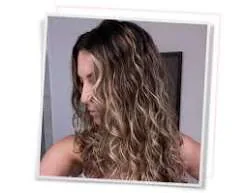
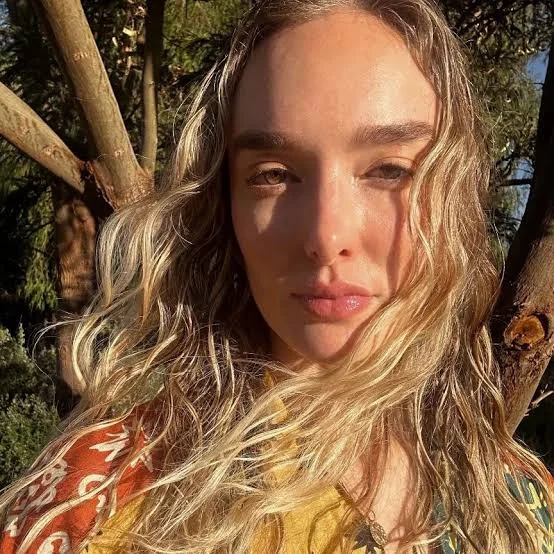
2b hair belongs to the wavy group commonly described as type 2. Its most recognizable feature is a visible S shaped wave that usually becomes clearer from the mid lengths toward the ends, while the roots remain comparatively straight or flat. The pattern is stronger than 2a hair but generally less compact and curl like than 2c hair, so the same head can look almost straight at the crown and distinctly wavy underneath.
The label is best treated as a description of pattern, not a complete diagnosis of your hair. Hair type does not tell you whether your strands are fine or coarse, how dense your hair is, how porous it has become after coloring or heat, or how your scalp behaves. Those factors can change which products and techniques feel successful, even when two people both describe their hair as 2b hair.
Key signs that you may have 2b hair
Start by observing your hair after a normal wash when it is clean and free from styling products. Let it dry without repeatedly brushing, stretching, or manipulating the strands, then look at the overall pattern rather than one unusually curly section. You may notice relatively flat roots, defined S shaped bends through the middle, moderate volume, and frizz that becomes more obvious when individual wave clumps separate.
Another useful clue is how your hair responds to weight. A rich conditioner or a large amount of curl cream may make the lengths feel soft while causing the wave to collapse, especially near the crown. When a small amount of lightweight product creates more definition than a heavy routine, that is a practical sign that your waves prefer support without excess coating.
How 2b hair compares with 2a and 2c
The border between wave categories is not a sharp scientific line, and many heads contain more than one pattern. Still, the comparison is useful because it explains why a routine made for very loose waves can feel ineffective on one person while a rich curly hair routine can make another person’s hair limp. Think of 2a, 2b, and 2c as a practical visual spectrum rather than fixed boxes.
| Type | Typical pattern | Common styling response |
| 2a | Very loose bends with little definition | Usually needs very light products |
| 2b | Clear S shaped waves from the mid lengths | Benefits from light hold and careful drying |
| 2c | Stronger waves that often begin closer to the roots | Can tolerate richer moisture and stronger hold |
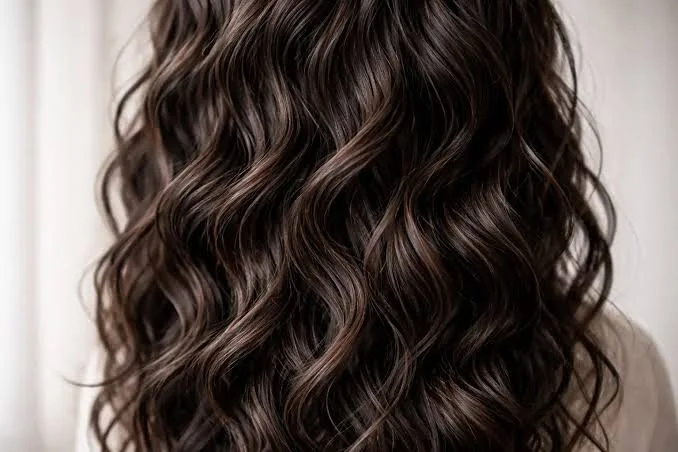
How to identify 2b hair without overthinking it
A simple home check is more useful than trying to force every strand into a chart. Wash your scalp normally, condition the lengths, rinse thoroughly, and allow your hair to dry with minimal manipulation and no styling product. When it is completely dry, check where the first consistent bends appear and whether the pattern remains mostly an S shape instead of forming repeated spirals.
Do not use one wash day as absolute proof. Hair can behave differently after a haircut, during humid weather, after chemical processing, or when buildup is present. If one section looks like 2a and another looks closer to 2c, that does not mean you have failed the test; mixed patterns are common, and your routine can be adjusted by section rather than by forcing the entire head to behave identically.
Why porosity matters more than the label
Porosity describes how readily hair takes in and retains water and product, and it can change with damage. Heat styling, bleaching, coloring, and repeated chemical services can alter the condition of the cuticle, so two people with the same wave pattern may have very different moisture needs. Instead of relying on a single home porosity test, pay attention to how quickly your hair becomes saturated, how long it takes to dry, and whether products sit on the surface or disappear quickly.
If products seem to sit heavily on your strands, start with less and choose lighter formulas rather than adding more cleansing steps. If the ends absorb moisture quickly but still feel rough, reduce mechanical stress and consider whether the hair is damaged rather than assuming it simply needs a richer cream. Your hair’s response over several wash days is more useful than a single label.
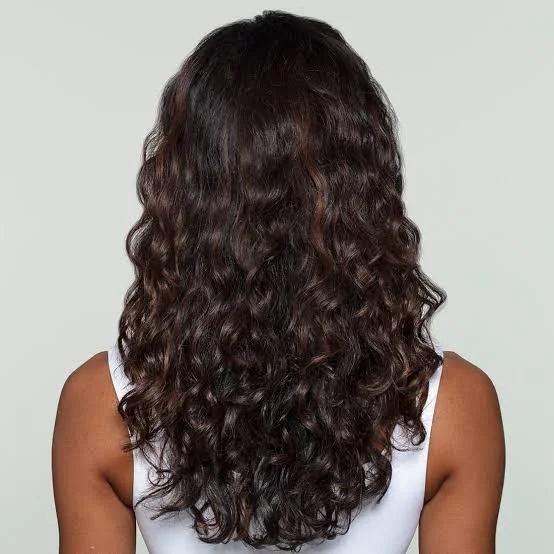
The ideal 2b hair wash day routine
A good wash day for 2b hair is usually simpler than beginners expect. The goal is to clean the scalp, condition where the hair needs it, preserve wave clumps, and add enough hold to keep those clumps together while they dry. The biggest mistake is often not using too little product but using a combination that is too heavy for the wave pattern.
Clean the scalp without rough handling
Apply shampoo mainly to the scalp and massage with the pads of your fingers rather than scraping with your nails. The lengths usually do not need aggressive scrubbing because the rinse carries diluted cleanser through them. If your scalp becomes oily quickly, wash according to scalp needs rather than trying to stretch every wash to an arbitrary schedule.
There is no universal requirement to avoid every sulfate or to wash on one exact timetable. A gentle cleanser can be useful when the scalp is comfortable with it, while a stronger cleanser can occasionally help remove buildup. The right frequency depends on oil production, exercise, climate, styling products, and personal comfort, so treat the commonly suggested two to four day range as a starting point rather than a rule.
Condition the lengths and detangle while the hair is slippery
Apply conditioner mainly from the mid lengths through the ends, especially if your roots already lie flat. Detangle while the hair is coated and slippery using your fingers or a wide tooth comb, then rinse thoroughly enough that the hair feels conditioned but not coated. Keeping the roots relatively free of rich conditioner can help preserve the lift that is naturally harder to achieve in 2b hair.
Style while the hair is very wet
After rinsing, avoid rough towel drying because friction can separate wave groups before they have a chance to set. Gently squeeze out excess water, then apply a small amount of leave in conditioner, mousse, foam, or light curl cream depending on what your hair needs. Wet application helps distribute a small amount of product across many strands instead of leaving concentrated patches that feel stiff or greasy.
How to style 2b hair for definition without heaviness
The most reliable styling principle for 2b hair is to start lighter than you think you need. You can always add a little more product to the sections that lose definition, but removing excess product usually requires another rinse. Work in sections if your hair is dense, use your palms or fingers to spread the product, and then scrunch upward to encourage the natural S pattern.
Mousse, foam, gel or curl cream?
Mousse and foam are often useful when you want volume and light hold without a rich finish. A lightweight gel can be helpful when humidity makes your waves separate, because the temporary cast gives the wave structure while it dries. Curl cream can work when the hair is genuinely dry, but very fine or low density 2b hair may need only a tiny amount or none at all.
There is no universal best product for every 2b head. If your waves look soft but disappear quickly, try adding hold before adding more moisture; if the hair feels rough and puffy, improve conditioning first. Change one variable at a time so you can tell whether the improvement came from the product, the amount, the application method, or the drying technique.
Scrunching and clumping techniques
Scrunching works best after the product has been distributed rather than as a substitute for distribution. Cup the ends toward the scalp and gently compress the hair, repeating around the head without repeatedly squeezing the same section until it becomes tangled. If your hair forms naturally strong clumps, leave them intact and resist the urge to rake through them after styling.
Plopping can help, but it is not mandatory
Wrapping wet hair in a soft cotton shirt or microfiber towel can reduce the amount of time the hair hangs under its own weight while drying. It can also encourage wave clumps to stay together, but the method is not essential and may flatten the crown on some heads. If plopping makes your roots flatter or creates odd bends, skip it and use gentle squeezing instead.
The best way to dry 2b hair
Air drying can produce beautiful results when you have enough time to leave the hair alone. Once your product is applied, avoid brushing, touching, or repeatedly rearranging the waves while they are wet. Movement during the drying stage is one of the easiest ways to turn a promising wave pattern into separated strands and extra frizz.
A diffuser is useful when you need faster drying or more root volume. Choose low to moderate heat and gentle airflow, place sections into the diffuser bowl, and lift them toward the scalp rather than blasting air directly through the lengths. When the hair is fully dry, allow it to cool and then gently squeeze the dried product cast if one has formed.
If your hair becomes frizzy whenever you diffuse, the answer is not automatically more product. Try reducing airflow, keeping the diffuser closer to the hair, changing the amount of product, or letting the hair partially air dry before diffusing. The best technique is the one that keeps your wave groups intact while fitting your schedule and your tolerance for styling time.
How to control frizz in 2b hair
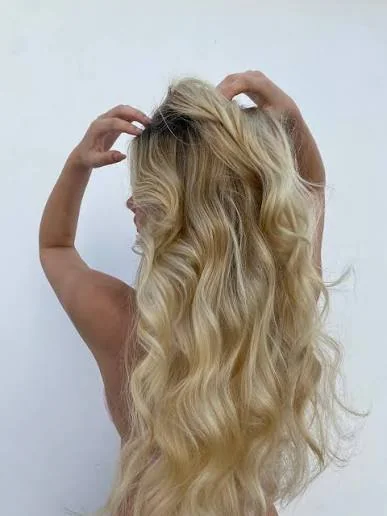
Frizz is not evidence that your hair is unhealthy, and it does not always mean that you need more moisture. Some frizz comes from dryness or damage, while other frizz appears because the wave clumps have separated through brushing, friction, humidity, or too much manipulation. The first step is to identify which situation you are actually dealing with.
If your hair feels rough and dry, focus on gentle cleansing, adequate conditioning, and reducing heat or friction. If it feels soft but loses its shape and looks fluffy, adding richer products may make the problem worse. In that case, a smaller routine with more hold and less coating can restore structure without making the hair feel heavy.
Small habits that make a visible difference
Dry hair should generally be handled less than wet hair, especially when preserving a wave pattern is the goal. Instead of brushing from roots to ends after the hair has dried, use your fingers to separate only the areas that genuinely need attention. At night, a loose braid, loose high placement, or smooth pillowcase can reduce friction, although the best option depends on how your particular waves react to tension.
Haircuts that work especially well with 2b hair
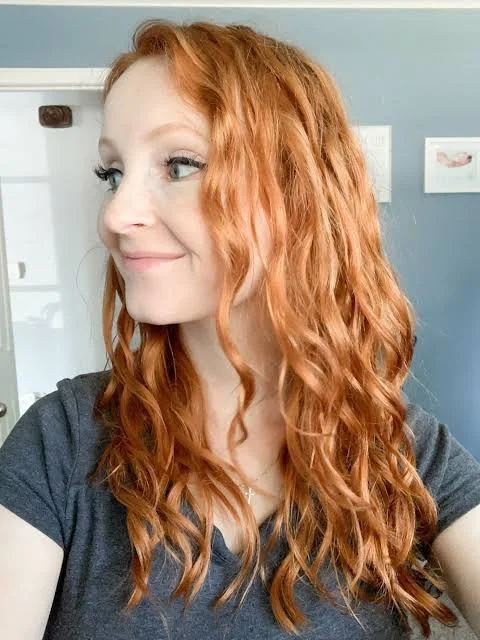
A good cut can reduce the amount of styling required because it controls where the hair carries weight. Long, uniform lengths can pull waves downward, while thoughtful layers can let sections move more freely. The right shape depends on density, strand thickness, desired length, and face shape, so the goal is not to find one universal 2b haircut.
Long layers for movement
Long layers are a dependable option when you want to keep substantial length. They remove some internal weight while preserving a fuller perimeter, giving the S shaped pattern more room to appear through the mid lengths. Ask for layers that complement the natural wave rather than a heavily thinned finish that could leave fine ends looking sparse.
A collarbone lob for manageable definition
A collarbone length lob can be a useful middle ground when long hair feels heavy but a short cut feels too unpredictable. The length is sufficient for visible waves while remaining easier to dry than very long hair. Face framing can be customized around the cheekbones or jaw, and the amount of layering should reflect how much volume your hair naturally creates.
A wavy shag for more texture
A shag can make 2b hair look fuller by distributing weight through multiple layers. It is especially appealing if you like a relaxed, textured finish rather than a polished silhouette. The tradeoff is that shorter layers need more attention during drying, so this cut is better suited to someone who enjoys some styling or whose natural wave is strong enough to support the shape.
A short wavy bob
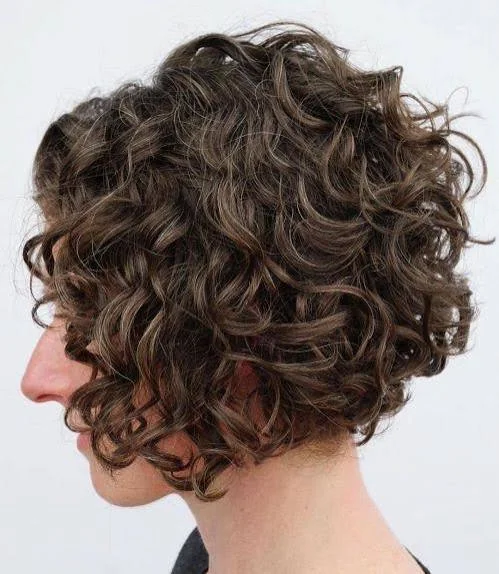
A short bob can look striking on 2b hair, but the cutting method matters because waves can spring upward as the hair dries. Discuss the finished dry length with your stylist before the first cut, and show how your natural hair behaves without heavy styling. If your hair is dense, internal weight removal may be useful, while very fine hair may look better with fewer layers.
2b hair styling ideas for everyday life
The easiest styles are often the ones that preserve the wave instead of trying to transform it. A loose half up style shows the texture around the face while keeping the crown controlled, and a low ponytail can make second day waves look intentional rather than unfinished. A loose braid overnight can also create a gentle refresh when you want more uniform texture the next morning.
For a more polished finish, define a few face framing sections with your fingers while leaving the rest of the hair natural. You can also pin one side behind the ear or use a simple clip to change the silhouette without disturbing the wave pattern. The trick is to treat your natural texture as the foundation of the style instead of repeatedly forcing every strand into the same shape.
Common 2b hair mistakes and what to do instead
One of the most common mistakes is assuming that stronger curls require a stronger routine. Heavy masks, multiple layers of cream, rich oils, and strong styling products can create a cycle in which the hair looks flat, so more product is added to fix the lack of definition, which then makes the hair even flatter. Start with the smallest routine that produces a useful result and add only what a specific problem requires.
Another mistake is judging the hair while it is still wet. Wet waves can look stretched and less defined, while the pattern becomes clearer as the hair dries. Give your routine enough time to finish before deciding that a product failed, and compare results under similar conditions rather than comparing a humid afternoon to a cool, dry wash day.
Dry brushing is another frequent source of disappointment. A brush can separate wave clumps and turn a defined pattern into a large, fluffy shape, even when the hair itself is perfectly healthy. If you prefer a brushed finish, try detangling before the final styling stage or experiment with finger separation after the hair is dry instead of repeatedly brushing through the whole head.
A simple weekly plan for healthier 2b hair
Think in terms of a repeatable routine rather than a long list of treatments. On wash day, cleanse the scalp, condition the lengths, detangle gently, apply a small amount of styling product to wet hair, and dry without unnecessary touching. Between washes, refresh with water or a lightweight wave refresher when needed instead of automatically adding another layer of cream.
Deep conditioning can be useful when your hair is genuinely dry or damaged, but more conditioning is not automatically better for waves. If a treatment repeatedly leaves your hair unusually soft, limp, or difficult to define, reduce the frequency and reassess. Healthy hair care is about balance: enough moisture and protection to maintain flexibility, enough cleansing to prevent buildup, and enough hold to let your natural pattern remain visible.
How to talk to a stylist about 2b hair
Bring a photo of your hair when it looks naturally defined rather than only a picture of a heavily styled celebrity wave. Tell the stylist where your wave begins, how much shrinkage you notice, whether your hair is fine or dense, and how much daily styling you are willing to do. These details are more useful than simply saying you want beach waves.
If you are considering layers, ask the stylist to explain where the shortest pieces will sit when your hair is dry. Wavy hair can change length and shape as it dries, so the finished silhouette matters more than the wet length seen during the initial cut. A stylist experienced with textured hair can also adjust the cut based on how your individual sections behave rather than applying one pattern across the entire head.
Final thoughts on 2b hair
2b hair sits in a useful middle ground: it has enough natural pattern to create visible waves, yet it can lose definition quickly when weighed down, overworked, or dried aggressively. The most effective approach is usually lighter than expected, with careful washing, modest conditioning, wet styling, gentle drying, and a haircut that respects where the wave naturally forms.
You do not need to make every strand behave identically to have great looking waves. Learn how your own sections respond, change one part of the routine at a time, and let the results guide your choices. Once the balance of weight, moisture, hold, and handling is right, 2b hair can become one of the easiest textures to style because much of the shape is already there.
FAQs
What is 2b hair?
2b hair is a wavy hair pattern within type 2. It typically has relatively straight or flat roots and clearer S shaped waves through the mid lengths and ends. It sits between 2a, which is usually looser, and 2c, which tends to have stronger waves that begin closer to the roots.
How can I tell if I have 2b hair?
Wash your hair, condition it normally, rinse well, and let it dry with little manipulation and no styling product. Look for relatively straight roots followed by consistent S shaped waves through the lengths. If the wave is barely visible, you may be closer to 2a; if it begins near the scalp and looks much stronger, you may be closer to 2c.
Is 2b hair wavy or curly?
2b hair is generally classified as wavy rather than curly. It belongs to type 2 in the commonly used hair typing system. The distinction is helpful for choosing products, but it should not be treated as a rigid rule because real hair can contain multiple patterns.
What products are best for 2b hair?
Lightweight mousse, foam, light gel, and small amounts of curl cream are useful starting categories. Choose based on your actual problem: hold for waves that disappear, conditioning for genuinely dry hair, and lighter formulas when products make the hair flat. Avoid assuming that a richer product is automatically more nourishing.
Should I use gel on 2b hair?
You can use gel if your waves need more hold or humidity resistance. Apply a small amount to wet hair, scrunch to encourage wave clumps, let the hair dry fully, and gently soften the cast afterward. If gel leaves your hair coated or limp, reduce the amount or switch to a lighter mousse or foam.
How often should I wash 2b hair?
There is no single correct schedule. Many people with 2b hair find that washing every few days works, but scalp oil, exercise, climate, product buildup, and personal preference matter more than a fixed number. Wash when your scalp needs cleansing and adjust the routine if your hair becomes dry or weighed down.
How do I reduce frizz in 2b hair?
Reduce unnecessary friction, avoid rough towel drying, style while the hair is wet, and disturb the waves as little as possible while they dry. If your hair feels dry, improve conditioning and reduce heat. If it feels soft but lacks shape, try less product and more lightweight hold rather than adding another rich moisturizer.
Is the curly girl method good for 2b hair?
Some techniques associated with curly hair routines can work well for 2b hair, especially gentle handling, scrunching, wet styling, and diffusing. However, a full routine designed around much curlier textures can be too heavy for some 2b hair. Adapt the method to your density, porosity, scalp needs, and response to products.
Can 2b hair be fine?
Yes. Wave pattern and strand thickness are different characteristics. A person can have fine 2b hair that becomes flat with very small amounts of product, while another person can have denser or coarser 2b hair that needs more conditioning and hold. Product weight should therefore be adjusted to the individual head rather than the type label alone.
What haircut is best for 2b hair?
There is no single best cut, but long layers, collarbone lobs, wavy shags, and carefully shaped bobs can work well. The best choice depends on density, strand thickness, face shape, desired length, and styling time. Discuss the dry shape with your stylist because the wave can change the apparent length and volume after drying.
Should I brush 2b hair when it is dry?
If preserving the natural wave is your priority, frequent dry brushing is usually unhelpful because it separates wave clumps and increases the fluffy appearance. Detangle while the hair is conditioned and wet, then use your fingers for small adjustments after drying. If you prefer a brushed texture, accept that the result will be softer and less defined.
Why does my 2b hair look straight at the roots?
Straighter roots are a common part of the 2b pattern because the S shaped wave often becomes more visible farther down the strand. Root flatness can also be increased by heavy conditioner, rich styling products, long hair weight, or buildup. If you want more lift, keep rich products away from the scalp and experiment with gentle root clipping or diffusing.