If your hair seems to shrink dramatically after washing, tangles quickly when dry, or needs careful handling during styling, you may have 4C hair. This tightly coiled texture is beautiful, versatile and capable of holding impressive volume, but its care routine is different from routines designed for looser curls. Understanding how your coils behave can make wash days less frustrating and help you protect length.
4C hair is part of the Type 4 coily category in the widely used hair typing system. It is generally described by very tight coils or zigzag bends and less obvious curl definition when the hair is in its natural unstretched state. Texture, strand thickness, density and porosity can still vary from person to person, so the label is a starting point rather than a complete description of your hair.
This guide focuses on practical care rather than promises of instant growth. You will learn how to recognize 4C hair, understand shrinkage, build a wash routine, moisturize without unnecessary buildup, detangle with less stress, choose low manipulation styles and notice signs that professional hair or scalp advice may be useful.
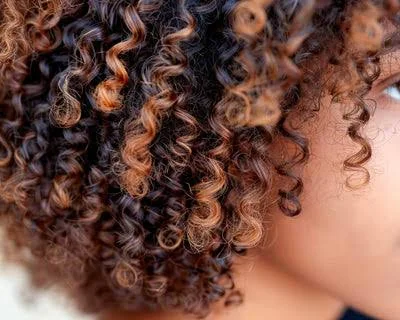
What Is 4C Hair?
4C hair is commonly described as the tightest curl pattern within Type 4 hair. The strands can form very small coils, sharp bends or zigzag shapes that may be difficult to see clearly without stretching the hair. The pattern can look fluffy or densely textured when dry, even though individual strands have a defined structure when examined closely.
The important point is that 4C does not mean one exact appearance. Two people with 4C hair can have different density, strand thickness, porosity, softness and shrinkage. Some may also have sections that behave more like another Type 4 pattern. Hair typing can describe curl shape, but it cannot tell you everything about how your hair will respond to products or styling.
The tight bends also affect how natural scalp oils move along the hair shaft. Curly and coily hair can make it harder for sebum to travel from the scalp toward the ends, which can contribute to dryness. That is one reason a routine built around conditioning, gentle handling and moisture retention is often more useful than simply adding more styling products.
How to Recognize 4C Hair
Look at your hair after cleansing and conditioning, before stretching or heavily manipulating it. Very tight coils, limited visible ringlet definition and substantial shrinkage can point toward 4C. Do not force every strand into a category. Hair patterns can vary across the same head, and a single label cannot account for every characteristic that matters in daily care.
A better approach is to combine curl pattern with practical observations. Does your hair become tangled quickly when dry? Does it feel soft after conditioning but rough after several days? Do certain sections break more easily? Does a heavy butter make your hair feel coated while a lighter leave in works better? These observations tell you more about your routine than the number and letter alone.
You can also compare how your hair behaves when wet and dry. Wet hair often shows more of its natural coil structure, while dry 4C hair may contract and appear much shorter. Photographing your hair in both states can help you understand your own pattern without treating online charts as a strict diagnostic test.
4C Hair and Shrinkage
Shrinkage is the difference between the length of tightly coiled hair when it is stretched and how long it appears in its natural state. With 4C hair, the difference can be substantial. A strand can have considerable actual length while appearing much shorter after it dries and coils back toward its natural shape.
Shrinkage itself is not proof that hair is unhealthy or that growth has stopped. It is a normal feature of textured hair. The more useful question is whether your hair is retaining the length it grows. If the ends repeatedly break while new hair is growing, visible length may change slowly even though growth continues.
For tracking progress, use the same measurement method each time. You might photograph a stretched section every few months or measure a small area under similar conditions. Comparing a freshly stretched measurement with a tightly shrunken measurement can create unnecessary confusion.

Why 4C Hair Needs a Moisture Focus
Moisture is one of the central concerns in caring for tightly coiled hair, but moisture does not simply mean covering the hair in oil. Water based conditioning products can help add hydration, while conditioners and leave in products can improve manageability. Oils and butters may help reduce friction or slow moisture loss for some people, but they do not replace water and conditioning.
The right amount is personal. Hair that feels soft and flexible after conditioning may not need several layers of heavy products. Hair that becomes rough, tangled and difficult to manipulate may benefit from more conditioning or more frequent moisture maintenance. Your response to a routine is more informative than a viral rule that says every person with 4C hair must use a particular oil or butter.
Product buildup is another part of the equation. Adding leave in, cream, oil and gel every day can eventually leave the hair coated and difficult to cleanse. If your hair feels dull, sticky or unusually heavy, the answer may be better cleansing rather than another layer of moisturizer. Balance is more useful than product quantity.
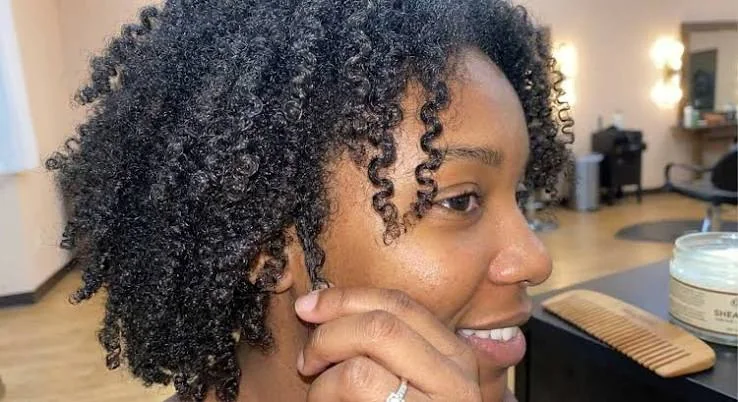
A Practical Wash Day Routine for 4C Hair
A good wash day does not need to contain a dozen steps. The goal is to clean the scalp, condition the hair, remove tangles with as little unnecessary force as possible and finish with a style that does not create excessive tension. The exact schedule depends on your scalp, lifestyle, products and how quickly your hair becomes dirty or oily.
Prepare the Hair in Sections
Before cleansing, divide the hair into manageable sections if that makes handling easier. Sectioning reduces the amount of hair you manipulate at one time. If the hair is extremely dry or tangled, adding water and conditioner before detangling can be more practical than trying to pull a comb through dry strands.
Clean the Scalp
Shampoo is primarily used to clean the scalp and remove sweat, oil and product residue. Dermatologists recommend focusing shampoo on the scalp rather than repeatedly rubbing the full length of the hair. As cleanser rinses away, it can travel through the lengths without aggressive scrubbing.
How often you wash should depend on your scalp and routine. There is no universal 4C washing schedule that fits everyone. Exercise, styling products, scalp oiliness and lifestyle can all affect the right frequency. Dry textured hair may need less frequent cleansing than oily straight hair, but the scalp still needs appropriate care.
Condition and Detangle
Conditioner can make textured hair easier to manage by improving slip and reducing friction. For tightly coiled hair, detangling while the hair is damp and well conditioned can be more practical than attempting to comb it when completely dry. Work in sections and start near the ends, gradually moving upward as knots loosen.
There is no prize for finishing quickly. If a section resists, add more water or conditioner and separate it with your fingers before using a wide tooth comb. The aim is to remove shed hairs and tangles without repeatedly forcing the tool through resistant knots.

How to Detangle 4C Hair With Less Breakage
Detangling is one of the moments when technique matters most. Start with your fingers whenever possible, gently separating large tangles before bringing in a wide tooth comb. Keep the hair damp and conditioned, and hold the section close to the roots if you need to reduce pulling on the scalp.
Work from the ends toward the roots instead of dragging a comb from the roots straight down. This gives each small knot a chance to loosen before the comb reaches it. If the hair begins to feel dry while you work, pause and add water or conditioner rather than continuing with increasing force.
Do not judge your routine by the amount of shed hair you see on wash day alone. Shed strands can remain trapped in tightly coiled hair until detangling. A more useful warning sign is persistent breakage, unusually short broken pieces, thinning areas or a noticeable change in density.
4C Hair Products: What Categories Matter
You do not need a shelf full of products to care for 4C hair. A practical routine can be built around a cleanser, rinse out conditioner, detangling support, leave in conditioner and a styling product that works for your preferred look. A deep conditioner can be useful when your hair needs extra conditioning, but frequency should match how your hair responds.
Cleanser and Conditioner
Choose a cleanser that allows you to keep your scalp clean without leaving the hair uncomfortably dry. The American Academy of Dermatology recommends shampooing based on how dirty or oily the hair and scalp become rather than following a rigid schedule. Conditioner is useful because it can improve manageability and help make detangling easier.
Leave In Conditioner
A leave in conditioner can help curly and dry hair feel smoother and easier to manage. Dermatologists note that leave in products can reduce frizz and make hair easier to brush or comb. Apply a small amount to damp hair and increase only if your hair actually needs more.
Creams, Gels and Oils
Choose styling products according to the result you want. A cream can support softness and definition, while a gel may provide more hold. An oil may help with sealing or reducing friction for some hair types. None of these categories is automatically best for every 4C head, and more product is not always better.
Protective Styles for 4C Hair
Braids, twists, buns and other low manipulation styles can reduce daily combing and handling. That can be useful when your goal is to preserve moisture and reduce repeated manipulation. However, a style is not protective simply because the ends are hidden.
Tight braids, cornrows, ponytails and extensions can place tension on the hairline and scalp. Dermatologists warn that repeated tension can contribute to breakage and traction related hair loss. A protective style should feel comfortable, leave the scalp accessible for care and never require painful pulling to achieve a neat finish.
Give your hair and scalp breaks from styles that create tension. If you notice soreness, bumps, thinning edges or a headache after installation, treat those signs seriously rather than assuming the style needs time to settle. Comfort is an important part of healthy styling.

Night Care for 4C Hair
Night care is mainly about reducing friction and unnecessary manipulation. A satin or silk bonnet, scarf or pillowcase may help reduce friction compared with rougher fabrics for some people. The best option is the one that stays comfortable and does not create pressure around the hairline.
Before bed, you can loosely gather the hair or place it into a few gentle sections if that helps preserve the style. Avoid tying it so tightly that the roots feel pulled. If your hair is already moisturized and styled, there is usually little benefit in repeatedly combing or restyling it every night.
If you wake up with flattened or dry sections, try refreshing with a small amount of water and leave in conditioner rather than starting a full wash day. The goal is to revive the hair with minimal manipulation, not to recreate the entire style every morning.
4C Hair Growth and Length Retention
Hair growth happens at the scalp, while length retention depends on what happens to the hair after it emerges. You cannot change your natural growth rate simply by applying a particular oil to the ends. What you can influence is how much breakage, friction and chemical or heat damage your hair experiences.
If your goal is longer hair, focus on a routine that keeps the scalp healthy and the lengths intact. Gentle cleansing, conditioning, careful detangling, sensible styling and reducing unnecessary tension all support that goal. Regular photographs can help you see progress that shrinkage may hide.
Be skeptical of products that promise dramatic growth in a few days. A healthy routine can improve the condition and manageability of your hair, but it cannot guarantee a specific growth rate. Sudden shedding or noticeable thinning is a reason to seek professional advice rather than simply adding another growth product.

Heat, Color and Chemical Treatments
4C hair can be styled with heat, color or chemical services, but these treatments change the level of care required. Excessive heat can damage any hair texture, while chemical processing can make strands more fragile. If you use heat, keep the temperature controlled, use a suitable heat protectant and avoid repeatedly applying high heat to the same area.
Coloring and relaxing are not automatically incompatible with healthy hair, but chemical processing can increase dryness and fragility. Follow product instructions, avoid unnecessary overlapping services and pay attention to changes in strength or scalp comfort. Professional help can be valuable when you are unsure how to combine chemical services.
If your hair becomes brittle, snaps easily or changes noticeably after a treatment, reduce further chemical or heat stress and reassess the routine. Healthy styling is not about avoiding every option. It is about understanding the tradeoff and managing avoidable damage.
Common 4C Hair Mistakes
One common mistake is detangling dry hair aggressively because it seems faster. It may save a few minutes initially but can create unnecessary mechanical stress. Another is washing only the lengths while neglecting the scalp. Clean hair begins with a clean scalp, and shampoo does not need to be scrubbed repeatedly through every strand.
Another mistake is assuming that more oil always means more moisture. Oils can have useful roles, but they are not a substitute for water or conditioning. If your hair is coated yet still feels dry, adding another oil may not solve the problem. Consider whether buildup or insufficient conditioning is the real issue.
A final mistake is wearing a tight style because it looks neat. A style that causes soreness, pulls the edges or creates persistent tension is not worth the temporary appearance. Healthy styling should balance appearance with comfort and the long term condition of the scalp and hair.
How to Build a Simple 4C Hair Routine
Choose a cleansing day that fits your scalp and lifestyle. Gently cleanse the scalp, condition the lengths and detangle in sections while the hair is damp and slippery. After rinsing, apply your leave in and styling products according to what your hair needs, then choose a low manipulation style if desired.
Between wash days, refresh only the areas that need attention. A small amount of water and leave in can soften dry sections, while gentle finger separation can deal with small tangles. Avoid combing the entire head simply because it is a new day. Less manipulation can make the routine easier to maintain.
At night, reduce friction and keep styles loose enough to remain comfortable. Every few weeks, review how your hair feels rather than automatically adding a new product. If the hair is soft, manageable and breaking less, your routine is giving you useful information. If it is consistently dry, coated or breaking, change one factor at a time.
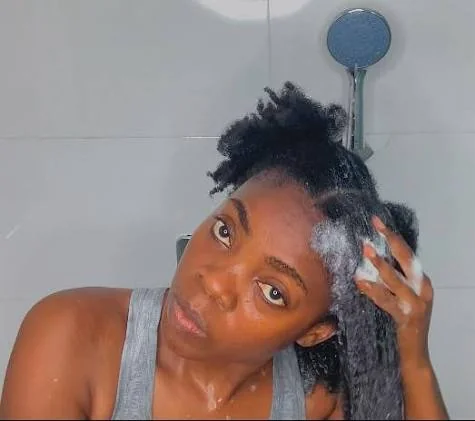
When 4C Hair Problems Need Professional Attention
Hair care can solve many routine problems, but not every change in hair is caused by products. Persistent scalp itching, burning, tenderness, scaling, sudden shedding, visible thinning or bald patches deserve more attention than a new conditioner or oil. A board certified dermatologist can examine the scalp and help identify whether a medical condition is involved.
Traction is another reason to act early. If repeated tight styles cause soreness or thinning around the edges, reduce tension and avoid continuing the same style. The American Academy of Dermatology notes that ongoing tension from braids, cornrows, ponytails and extensions can contribute to hair breakage and, in some cases, permanent hair loss.
Professional advice is also useful when you have tried reasonable changes but your hair remains extremely brittle or difficult to manage. A dermatologist or appropriately qualified hair professional can help separate ordinary dryness and breakage from problems that need medical evaluation.

4C Hair Care Checklist
Keep the routine simple enough that you can follow it consistently. Clean the scalp when needed, condition the hair, detangle gently while damp and conditioned, and choose styles that reduce unnecessary manipulation. Pay attention to the ends, but do not forget the scalp. If a product creates buildup, reduce the amount or cleanse appropriately rather than continually layering more.
Protect the hair from excessive heat and avoid styles that create pain or persistent tension. At night, reduce friction and keep the hair comfortable. Most importantly, judge your routine by how your hair behaves over time. Softer strands, easier detangling, fewer broken pieces and comfortable styling are more useful indicators than the number of products in your bathroom.
There is no single perfect 4C routine. The best routine is the one that matches your scalp, density, strand characteristics, lifestyle and styling preferences while keeping damage low. Start with the basics, change one thing at a time and give each adjustment enough time to show whether it actually helps.
Final Thoughts
4C hair is not a problem that needs to be fixed. It is a tightly coiled texture with its own behavior, and learning that behavior makes care much easier. The biggest improvements often come from small changes: more careful detangling, better conditioning, less unnecessary manipulation and styles that do not place excessive tension on the scalp.
Do not let online routines convince you that every person with 4C hair needs the same oils, wash schedule or styling method. Your hair may prefer lighter products, richer conditioners, more frequent cleansing or less frequent cleansing. Observe the results, keep what works and remove steps that create buildup, dryness or extra work.
If you remember one idea, make it this: healthy hair care is about consistency and gentle handling, not chasing a perfect curl pattern. Protect your scalp, preserve your ends, minimize avoidable damage and give your natural texture room to behave the way it naturally does.
FAQs
What is 4C hair?
4C hair is commonly described as the tightest curl pattern within Type 4 coily hair. It usually has very small coils or zigzag bends and may show little visible curl definition when dry. Density, strand thickness, porosity and softness can still vary widely among people with 4C hair.
How can I tell if I have 4C hair?
Look at your natural hair after cleansing and conditioning without stretching it. Very tight coils, substantial shrinkage and limited visible ringlet definition can suggest 4C. Hair can contain more than one pattern, so your practical care needs matter more than a strict label.
Is 4C hair naturally dry?
Tightly coiled hair can be more prone to dryness because scalp oils do not travel along a highly curved hair shaft as easily as they can along straighter hair. That does not mean every person with 4C hair has identical moisture needs.
How often should I wash 4C hair?
There is no universal schedule. Wash when your scalp and hair need cleansing based on oil, sweat, buildup and lifestyle. Dermatologists advise adjusting shampoo frequency to how dirty or oily the scalp becomes rather than following one rigid rule.
Should I detangle 4C hair wet or dry?
For many people, damp or wet hair with conditioner provides better slip and makes detangling easier. Use your fingers first, work in sections and start at the ends before moving toward the roots. Avoid forcing a comb through resistant dry knots.
What is the best moisturizer for 4C hair?
There is no single best moisturizer for every person. A water based leave in conditioner may work well for one head while another may prefer a richer cream. Choose based on how your hair feels and how much buildup you can tolerate.
Does oil moisturize 4C hair?
Oil can help reduce friction and may help slow moisture loss, but oil itself is not the same as water based hydration. If hair feels dry, adding more oil is not always the answer. Conditioning and a suitable leave in may be more useful.
Does 4C hair grow slower than other hair types?
Hair growth occurs at the scalp, and visible length can be difficult to judge on tightly coiled hair because shrinkage hides length. Breakage can also reduce length retention. Track progress consistently and focus on protecting the ends.
How can I reduce breakage in 4C hair?
Focus on gentle handling. Detangle damp conditioned hair, work in sections, reduce unnecessary combing, limit excessive heat and avoid styles that pull tightly on the scalp. Keeping the hair conditioned can also make daily handling easier.
Are protective styles good for 4C hair?
Low manipulation styles can reduce daily handling, but they are not automatically safe. Tight braids, cornrows, ponytails and extensions can create tension and contribute to breakage or traction related hair loss. A useful protective style should be comfortable.
Can I wear braids with 4C hair?
Yes, braids can be part of a 4C routine when they are installed gently and do not create painful tension. Avoid styles that pull the edges or cause headaches. Give the scalp appropriate breaks and maintain reasonable scalp hygiene.
Is 4C hair hard to manage?
4C hair can require deliberate handling because its tight coils can tangle and shrink considerably. Calling it hard to manage is less useful than understanding its needs. Conditioning, sectioning, gentle detangling and suitable styling can make the routine more predictable.
How do I sleep with 4C hair?
Reduce friction and unnecessary manipulation at night. A satin or silk bonnet, scarf or pillowcase may help, and the hair can be loosely gathered if needed. Avoid tight ties that create tension around the roots or hairline.
Can 4C hair be heat styled?
Yes, but excessive heat can damage any hair type. Use controlled temperatures, a suitable heat protectant and avoid repeatedly applying high heat to the same area. If the hair becomes brittle or breaks more easily, reduce heat styling.
Can 4C hair be colored?
Color can be used on 4C hair, but chemical processing can increase dryness and fragility. Follow product instructions, avoid unnecessary overlapping services and pay attention to changes in hair strength or scalp comfort.
What products should a beginner buy for 4C hair?
Start with a cleanser, rinse out conditioner, leave in conditioner and one styling product that suits your preferred hairstyle. Add a deep conditioner or other treatment only if your hair benefits from it. A simple routine makes results easier to evaluate.
Why does my 4C hair shrink so much?
Tightly coiled strands can contract significantly as they dry and return to their natural pattern. Shrinkage is a normal characteristic of coily hair and does not by itself indicate poor health or poor growth.
Why does my 4C hair break when I detangle it?
Breakage can happen when dry or tangled hair is exposed to excessive pulling. Try dampening the hair, adding conditioner, separating it into sections and beginning with your fingers. Persistent breakage or thinning should be evaluated professionally.
When should I see a dermatologist about 4C hair?
Seek professional advice for persistent scalp pain, burning, severe itching, scaling, sudden shedding, visible thinning, bald patches or ongoing breakage that does not improve with gentler care.
Can 4C hair have more than one curl pattern?
Yes. Hair pattern can vary across the same head. You may have sections that behave more tightly or loosely than others. That is normal and is another reason to use hair typing as a general description rather than a strict rule for every strand.