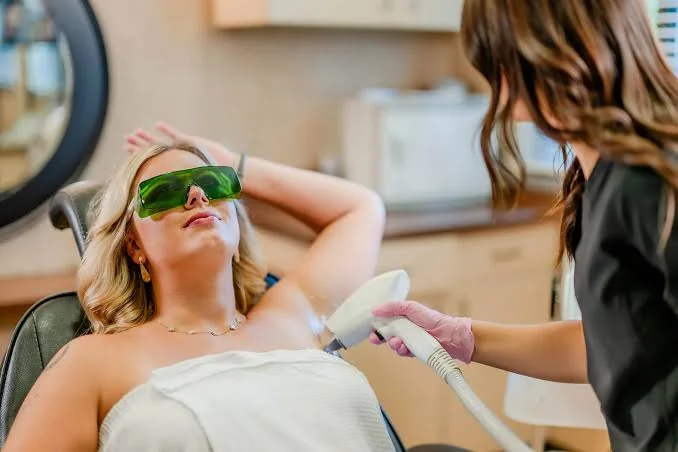

Laser hair removal is a cosmetic medical procedure that uses a concentrated beam of light to reduce unwanted hair. The light is absorbed by melanin, the pigment in hair, and converted into heat. That heat damages the follicle and slows its ability to produce new hair. Because follicles grow at different times, several appointments are normally needed.
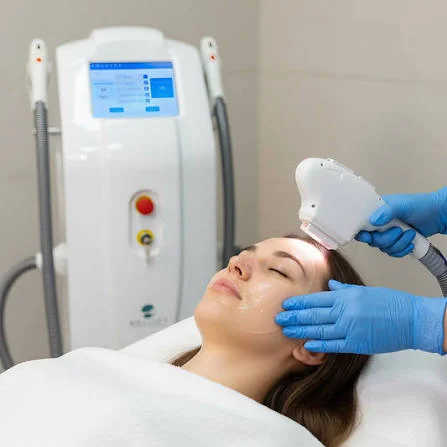
The phrase permanent hair removal can create unrealistic expectations. In practical terms, the treatment is better understood as long term hair reduction. Many people experience a substantial decrease in hair growth, and regrowth may be finer and lighter. Some people need maintenance sessions later, particularly when hormones influence growth.
How Laser Hair Removal Works
The laser is designed to interact with pigment in the hair. When the light reaches a pigmented hair, it becomes heat and travels toward the follicle. The resulting thermal injury disrupts structures responsible for future growth while appropriate settings and cooling help protect surrounding skin. Darker hair generally provides a stronger target than very light hair.

Hair follicles are not all in the same stage at once. Treatment is most effective when a follicle is in its active growth phase, so one appointment cannot catch every target. Seeing hair between sessions is therefore normal and does not by itself mean the treatment has failed.
Who Is a Good Candidate for Laser Hair Removal?
A good candidate is someone whose hair and skin characteristics can be treated safely and whose expectations match what the procedure can realistically achieve. A consultation should consider hair colour and thickness, skin tone, treatment area, recent tanning, medications, previous reactions and the reason for unwanted hair. Modern practice can treat a wider range of skin tones, but darker skin needs careful technology and settings.
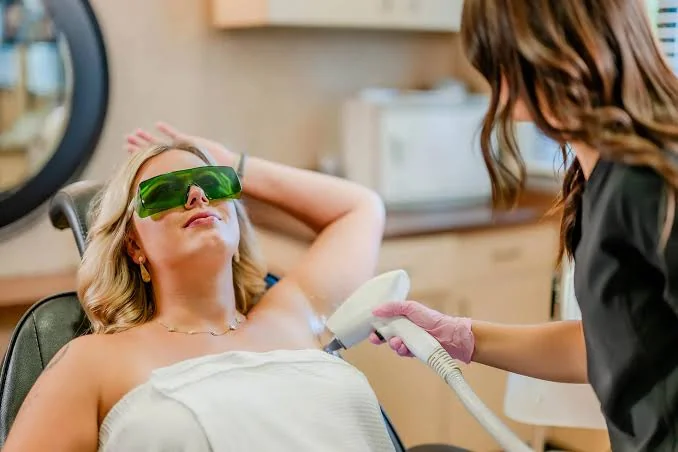
Do not choose a clinic only because it advertises a particular machine or a very low price. Ask whether the practitioner regularly treats people with your skin tone and whether they can explain why the selected technology suits your hair. A reputable provider should also explain expected results, risks and the likely number of sessions.
Laser Hair Removal for Dark Skin
People with brown or black skin can receive laser hair removal, but safety depends heavily on the device, settings and operator. Because darker skin has more melanin, there is more pigment in the surrounding skin for the laser to interact with. An inappropriate approach can increase the risk of burns or temporary and, rarely, lasting pigment changes.
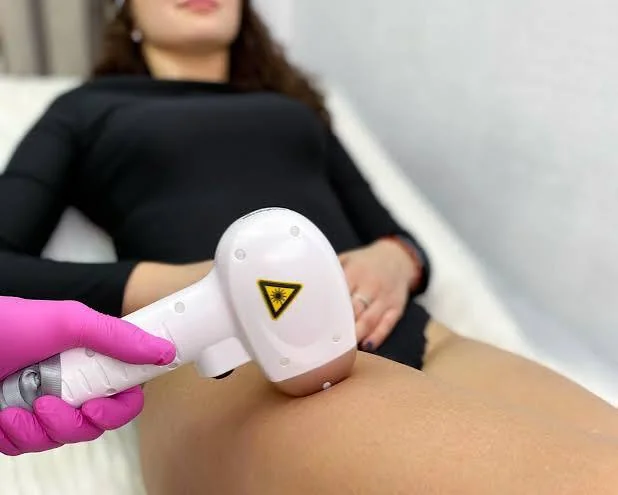
Ask how often the practitioner treats patients with your skin tone. Discuss the laser being used, why it was selected, how your skin will be protected and what should happen if you have recently tanned. A careful practitioner should explain risks rather than promise identical results for everyone.
Which Hair Colours Respond Best to Laser Hair Removal?
Laser hair removal relies on pigment in the hair, so darker hair usually absorbs laser energy more effectively. Blonde, white and gray hair contain less pigment and often respond poorly. Red hair can also be less predictable because its pigment does not absorb energy in the same way as darker hair.

Hair colour is only one part of the equation. Hair thickness, skin colour, treatment area, growth cycle and the laser system also influence the response. A result seen on one person should not be treated as a guarantee for someone with different characteristics.
Which Areas Can Be Treated With Laser Hair Removal?
Common areas include the legs, underarms, bikini area, back, chest, upper lip, chin and neck. Most areas with unwanted hair can be considered, but important exceptions exist. Laser hair removal should not be performed on the eyelids, eyebrows or nearby areas because of the risk of serious eye injury. Tattooed skin also requires special caution.

Appointment length depends on the size of the area. An upper lip may take only minutes, while a large area such as the back or legs can take much longer. Exact timing varies with the device and treatment plan.
What Happens During a Laser Hair Removal Session?
Before treatment, the area is cleansed and may be shaved. Protective eyewear is essential. Some patients receive topical numbing for sensitive areas, while many professional systems use cooling at the treatment tip or with gel or spray. The handheld device is placed against the skin and delivers a series of light pulses to the follicles.
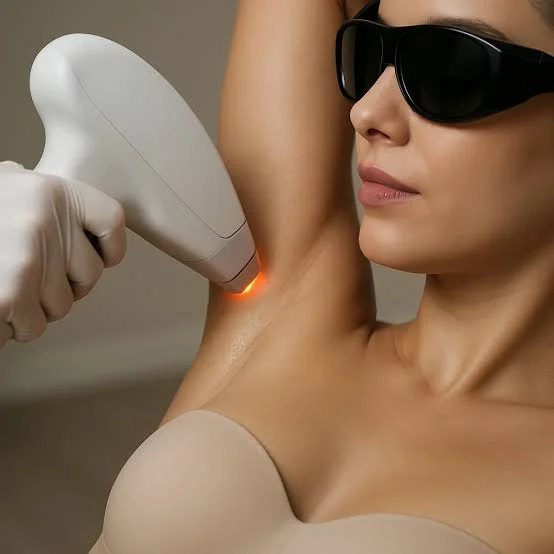
Patients often describe the pulses as warm pinpricks or a quick rubber band snap. Sensitivity varies by body area and person. Cooling can make the procedure more comfortable. If the sensation becomes unusually painful or feels like intense burning, tell the practitioner.
How Many Laser Hair Removal Sessions Are Needed?
There is no single session count that applies to everyone. Mayo Clinic says most people need four to eight treatments for clear results, while the American Academy of Dermatology notes that some patients need two to six. The variation reflects differences in hair, skin, body area, technology and individual response.

Sessions are normally spaced several weeks apart so later appointments can target follicles that enter an active growth stage. The American Academy of Dermatology says many patients can be treated every four to six weeks, but the clinician should decide the timing according to your response.
How to Prepare for Laser Hair Removal
Preparation can reduce avoidable irritation and help the procedure work as intended. Avoid tanning and unnecessary sun exposure and use broad spectrum sunscreen. Waxing, plucking and electrolysis are commonly stopped before treatment because they remove hair from the follicle. Shaving shortly before the appointment is commonly recommended.
Tell the clinician about recent tanning, a tendency to scar or form keloids, cold sore outbreaks, isotretinoin use and all medicines or supplements you take. These details can affect whether treatment should be adjusted or delayed.
Laser Hair Removal Aftercare
Treated skin may look red or swollen after a session and can resemble a mild sunburn. These effects commonly settle within hours, although minor reactions can last longer. A cool compress can ease discomfort. Avoid picking, aggressive scrubbing or unnecessary irritants and follow the aftercare plan from your provider.
Sun protection is especially important during the treatment course. Avoid direct sunlight and tanning equipment on treated skin and use broad spectrum sunscreen with SPF 30 or higher as directed. Sun exposure can raise the risk of unwanted pigment changes.
What Results Should You Expect From Laser Hair Removal?
Hair does not necessarily disappear immediately after a session. Treated hairs commonly shed over several days to weeks. After a course of treatments, many people see substantially less growth, and regrown hair is often finer and lighter. Results vary with hair colour, thickness, skin colour, treatment area, laser type and individual growth patterns.
A realistic goal is durable reduction rather than a guarantee that every follicle will remain inactive forever. The American Academy of Dermatology describes permanent removal on most body areas after sufficient treatment, while Mayo Clinic notes that regrowth can occur and maintenance may be necessary.
Laser Hair Removal Side Effects and Safety
Temporary redness, swelling, discomfort and irritation are common reactions. Skin colour changes can also occur, and risk depends on skin colour, sun exposure, device choice and settings. Less common complications include blistering, crusting, scarring and changes in skin texture. The American Academy of Dermatology warns that laser treatment can be dangerous in inexperienced hands.
Rarely, hair can appear thicker around a treated area, a phenomenon called paradoxical hypertrichosis. Severe pain, blistering, significant colour change or another concerning reaction should be discussed with the clinician who performed the procedure.
Laser Hair Removal Compared With Shaving and Waxing
Shaving cuts hair at the surface, so regrowth becomes visible relatively quickly. Waxing removes hair from the root but still requires repeated treatments as new hair grows. Laser hair removal targets follicles with light energy to reduce future growth. It requires a larger initial commitment, but the intended benefit is longer lasting reduction.
The right option depends on your priorities. Someone who removes hair occasionally may prefer a temporary method, while someone dealing with frequent shaving, razor bumps or extensive unwanted hair may value longer term reduction. Laser is not automatically the best choice for every person.
Professional Laser Hair Removal vs At Home Devices
At home light based hair removal devices are not equivalent to professional treatment. The American Academy of Dermatology notes that home devices use lower energy and generally require longer, repeated use. Professional treatment allows assessment of the skin and hair and permits the operator to select and monitor settings.
If you are considering a home device, read its instructions and check whether it is appropriate for your skin and hair. Do not assume that a device marketed as a laser uses the same technology or energy level as a professional system.
How Much Does Laser Hair Removal Cost?
There is no universal price. Cost can change according to treatment area, number of sessions, clinic location, technology, practitioner experience and whether you buy a package. Smaller areas generally take less treatment time than full legs or the back. A consultation is the best way to receive an individual estimate.
When comparing prices, ask what is included. A very low quote may involve fewer sessions, different equipment or less clinical support. Ask who performs the treatment, what technology is used, whether follow up is included and what happens if your plan needs to change.
How to Choose a Safe Laser Hair Removal Clinic
The practitioner matters as much as the equipment. The American Academy of Dermatology recommends a board certified dermatologist and advises asking about experience with your skin colouring. Before booking, ask which laser will be used, why it suits you, how many treatments are expected, what results are realistic and what side effects are possible.
A trustworthy clinic should discuss limitations as comfortably as benefits. The practitioner should ask about tanning, medicines, skin history and previous reactions. A guarantee of perfect permanent results after one session is a warning sign rather than a mark of quality.
Laser Hair Removal and Hormonal Hair Growth
Laser treatment can reduce existing unwanted hair even when hormones contribute to excess growth, but it does not correct the underlying hormonal cause. New hair may continue to appear, meaning additional sessions or maintenance can be needed. If unwanted hair appears suddenly or increases rapidly, discuss the change with a healthcare professional.
A treatment plan should address both the visible hair and the reason for ongoing growth when appropriate. This is particularly useful for persistent facial hair or other patterns that may be associated with hormonal changes.
Why Hair Growth Cycles Matter
Laser treatment works progressively because hair follicles are not synchronized. At one appointment, only a portion of follicles are in the growth stage most responsive to treatment. Later sessions reach follicles that were resting or less responsive earlier. This is why judging the final result after one appointment gives a misleading picture of the treatment.
Individual response matters, so a professional assessment is useful when the treatment reaction or pattern of hair growth does not match what you were told to expect.
What Can Affect Your Laser Hair Removal Results
Hair pigment, hair thickness, skin colour, treatment area, hormonal activity, appointment timing and sun exposure can all influence the result. The same number of sessions can produce different outcomes in different people. A personalised treatment plan is therefore more reliable than a promise based only on a machine or a standard package.
Individual response matters, so a professional assessment is useful when the treatment reaction or pattern of hair growth does not match what you were told to expect.
Common Mistakes to Avoid
Arriving with a recent tan, waxing or plucking before treatment, ignoring aftercare and choosing a provider only on price can all create problems. Another mistake is comparing your progress directly with another person. Their hair density, colour, skin tone, hormones and treatment settings may be completely different.
Individual response matters, so a professional assessment is useful when the treatment reaction or pattern of hair growth does not match what you were told to expect.
When to Seek Medical Advice
Mild redness or swelling can be expected after treatment, but severe pain, blistering, significant burns or concerning changes in skin colour should be discussed with the treating clinician. If unwanted hair appears suddenly or is accompanied by other unexplained changes, medical evaluation may be appropriate because laser hair removal does not treat an underlying hormonal cause.
Individual response matters, so a professional assessment is useful when the treatment reaction or pattern of hair growth does not match what you were told to expect.
Final Thoughts
Laser hair removal can be a useful long term option for reducing unwanted hair, especially for people tired of repeated shaving or waxing. Its success depends on more than the machine alone. Hair pigment, skin characteristics, growth cycles, hormones, treatment settings and practitioner experience all matter. Most people need multiple sessions, and some need maintenance later.
Before committing, prioritise safety over marketing claims. Choose a qualified professional, disclose relevant medicines and skin history, avoid tanning as instructed, protect treated skin from the sun and ask for realistic expectations. A good consultation should make the benefits, limitations, risks and alternatives clear before treatment begins.
FAQs
Is laser hair removal permanent?
Laser hair removal is best understood as long term hair reduction. Many people experience substantial and lasting reduction after a series of treatments, but some regrowth and maintenance treatments are possible. Hormonal factors can influence long term results, particularly for facial hair.
How many laser hair removal sessions do I need?
The number varies. Mayo Clinic says most people need four to eight treatments for clear results, while the American Academy of Dermatology notes that some patients need two to six. Hair, skin, body area, technology and individual response influence the final plan.
How far apart should laser hair removal sessions be?
Many patients are treated about every four to six weeks, but the ideal interval depends on the treatment area and hair growth cycle. Your clinician should determine the timing based on your response.
Does laser hair removal hurt?
Most people describe the sensation as warm pinpricks or a quick rubber band snap. Sensitivity differs by body area and person. Cooling systems and, when appropriate, topical numbing products can reduce discomfort.
Is laser hair removal safe for dark skin?
It can be performed safely on darker skin when appropriate technology and settings are used by an experienced practitioner. Because darker skin contains more melanin, incorrect treatment can increase the risk of burns and pigment changes.
Does laser hair removal work on blonde hair?
It is generally less effective on blonde, white and gray hair because these colours contain less pigment for the laser to target. Red hair can also respond less reliably.
Can I shave between laser hair removal sessions?
Shaving is generally compatible with laser treatment and is commonly recommended before appointments. Waxing and plucking are different because they remove hair from the follicle, so clinicians commonly ask patients to stop those methods before treatment.
Can I wax before laser hair removal?
Waxing is generally discouraged before treatment because it removes hair from the follicle that the laser needs to target. Mayo Clinic advises avoiding waxing, plucking or electrolysis for at least four weeks before treatment.
Can laser hair removal be done on the face?
Yes. The upper lip, chin and other facial areas are commonly treated. Facial hair can respond differently from body hair, and hormonal factors can contribute to regrowth. Laser should not be used on the eyelids, eyebrows or nearby areas because of eye injury risk.
What are the common side effects of laser hair removal?
Temporary redness, swelling, discomfort and mild irritation are common. Pigment changes can occur as well. Less common reactions include blistering, scarring, crusting and changes in skin texture.
How long does redness last after laser hair removal?
Redness and swelling commonly settle within hours, although minor side effects can last one to three days in some people. A severe or worsening reaction should be assessed by the clinician who performed the treatment.
Can laser hair removal darken skin?
Laser treatment can sometimes cause temporary or, rarely, lasting lightening or darkening of treated skin. The risk can be higher with darker skin or recent sun exposure and when settings are inappropriate.
Can I have laser hair removal after tanning?
Recent tanning can increase the risk of side effects because there is more pigment in the skin. The American Academy of Dermatology advises avoiding tanning and sun exposure and using sunscreen. Your clinician may recommend waiting until the tan has faded.
Can I have laser hair removal during pregnancy?
For an elective cosmetic treatment, discuss laser hair removal with your obstetric or healthcare professional before proceeding during pregnancy. Because pregnancy changes the body and evidence for cosmetic laser hair removal during pregnancy is limited, many providers choose to postpone nonessential treatment.
When does hair shed after laser hair removal?
Hair does not always disappear immediately. Treated hairs commonly shed over several days to weeks. Visible hair between appointments does not automatically mean treatment failed.
Why is hair growing back after laser hair removal?
Not every follicle is in the active growth phase during each session, and some follicles may survive treatment. Hormonal changes can also stimulate new growth. Regrown hair is often finer and lighter, and maintenance treatment may be needed.
Can laser hair removal help with ingrown hairs?
Reducing hair growth can help some people whose ingrown hairs are associated with repeated shaving. However, it is not a treatment for every cause of ingrown hairs. Persistent or severe skin problems should be assessed by a healthcare professional.
Are at home laser devices the same as professional treatment?
No. Home devices generally use lower energy and require longer, repeated use. Professional treatment allows assessment of skin and hair and selection of settings by a trained practitioner.
Can laser hair removal be done over tattoos?
Laser hair removal should not be performed directly over tattooed skin because laser energy can interact with tattoo pigment and cause injury or unwanted changes. Tell the practitioner about tattoos in or near the treatment area.
Is laser hair removal covered by insurance?
Cosmetic laser hair removal is generally not covered by insurance. Coverage rules can differ when unwanted hair is associated with a medical condition, so check your policy and ask the provider before treatment.