Long hair gives you plenty of material to work with, yet that freedom can make choosing a style surprisingly difficult. A look that photographs beautifully may feel heavy after a few hours, while a quick ponytail can become boring when you wear it every day. The most useful hairstyles for long hair are not simply the prettiest options. They are styles that suit your texture, face shape, routine, outfit and the amount of time you are willing to spend styling. This guide brings those decisions together, from simple daily looks and polished office styles to braids, buns, waves, special occasion ideas and practical care tips.
Understanding Hairstyles for Long Hair Before You Choose a Look
The biggest advantage of long hair is also its biggest styling challenge: there is a lot of weight to manage. Length can make roots look flatter, make thick hair feel bulky and make curls lose definition when the ends become too heavy. Current professional hair guidance increasingly focuses on matching the cut and styling method to texture, density, face shape and lifestyle rather than treating length as a style by itself.
Two people with hair that reaches the same point on the back can need completely different approaches. Fine straight hair may benefit from a strong perimeter and carefully placed layers, while dense hair can handle internal layering that removes some bulk without making the ends look thin. Wavy and curly hair also need room to form their natural pattern rather than being forced into a shape designed for straight strands.
Before choosing a style, decide what you want the hair to do. Do you want movement, volume, control, length on display or a hairstyle that stays out of your way? Once that goal is clear, the number of good options becomes smaller and the decision becomes much easier.
Easy Hairstyles for Long Hair for Busy Mornings
For rushed mornings, the best hairstyle is one you can repeat without damaging your hair or needing perfect technique. A low ponytail, simple braid, loose bun, claw clip twist and half up ponytail can all make long hair look intentional with relatively little work. The trick is to change the finish rather than reinvent the entire hairstyle each morning.
A low ponytail can look polished when the part is clean and a small section of hair is wrapped around the elastic. A loose braid looks softer when a few pieces are gently released around the face. A bun can appear more relaxed when you keep the crown slightly loose instead of pulling every strand tightly. These tiny adjustments create variety without adding much time.
If your hair tangles easily, brush from the ends upward rather than dragging a brush from the roots through every knot. A lightweight leave in product can make styling easier when your lengths are dry or prone to frizz. The goal is not to make long hair behave like short hair. It is to use its length efficiently.
Hairstyles for Long Hair: Cut and Shape Ideas
Hairstyles for Long Hair With Layers and Face Framing
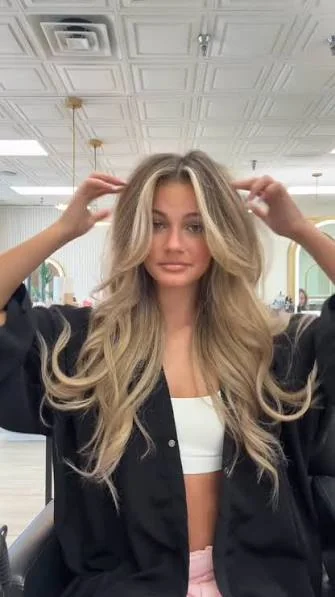
Long layers are useful when you want movement without giving up overall length. They can break up a heavy shape and help hair move around the shoulders instead of hanging as one solid curtain. Face framing pieces can also change how the front sits, so layer placement should be adapted to the individual rather than copied from a photograph.
For fine hair, too many layers can make the ends appear sparse, so subtle shaping is often more practical. For thick hair, strategic internal layers can reduce the feeling of bulk while keeping the visible perimeter fuller. Curly and wavy hair need another consideration because the hair can spring upward after cutting, changing the apparent length and shape.
When explaining your preference at a salon, describe what you want to keep as well as what you want to change. Saying that you want movement while preserving fullness at the ends is more useful than simply asking for long layers. A photograph can help, but the stylist still needs to adapt the shape to your density and texture.
Hairstyles for Long Hair With Waves and Soft Texture
Loose waves are among the most versatile hairstyles for long hair because they add movement while keeping the length visible. They can look casual with a relaxed finish or more formal when the waves are brushed into a smoother pattern. The important detail is proportion: long hair can become visually heavy at the bottom, so the wave pattern should support the shape rather than create a large block of volume only at the ends.
If your hair is naturally wavy, start with its existing texture instead of trying to rebuild it from scratch. Apply styling product to damp hair, encourage the natural wave with gentle scrunching and allow it to dry before separating the finished texture. If you use heat, keep the tool moving and avoid repeatedly heating the same section.
For straight hair, soft waves can be created with a curling iron, wand or heatless method. Letting the hair cool before loosening the waves helps the shape settle. A small amount of finishing product is often enough. Heavy product can flatten long hair, especially when the roots are already fine.
Hairstyles for Long Hair With Braids That Show the Length
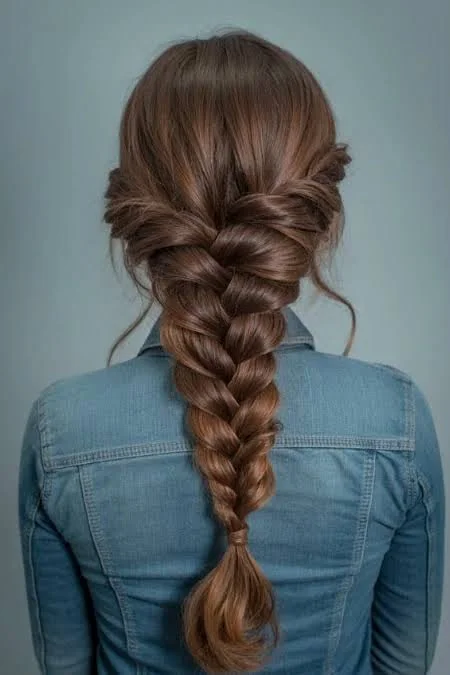
Braids make especially good use of long hair because the extra length gives the pattern room to develop. A simple three strand braid is practical for everyday wear, while a Dutch braid, French braid, fishtail braid or rope style can create more texture. A braid can also be combined with a ponytail or bun when you want structure without wearing the entire length loose.
A useful way to choose a braid is to think about the amount of control you need. A single braid down the back keeps the lengths together and is convenient for active days. Two braids distribute the hair more evenly and can feel comfortable when you want to sleep with the hair contained. A crown or side braid can add detail while leaving most of the length visible.
Do not pull every braid tightly simply because you want it to look neat. Excessive tension can make a hairstyle uncomfortable and may place repeated stress on the same areas. A softer braid with a secure but comfortable base often looks more natural and is easier to wear for several hours.
Hairstyles for Long Hair With Ponytails That Do Not Feel Basic
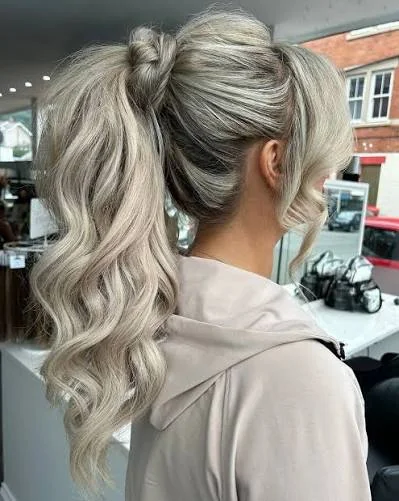
A ponytail is often the fastest answer for long hair, but its placement changes the entire impression. A high ponytail feels energetic and lifts the visible length, a mid height ponytail is balanced for everyday wear and a low ponytail creates a quieter polished effect. Texture can then change the mood from sleek to relaxed without changing the basic structure.
For a sleek ponytail, smooth the surface and keep the base controlled. For a softer look, allow some natural texture to remain and pull a few face framing strands loose. Wrapping a small section around the elastic is a simple finishing detail that hides the tie and makes the hairstyle look more deliberate.
If your ponytail feels heavy, move the base slightly lower or divide the weight into two supported sections before combining them. People with very thick hair may also find that a braid through the ponytail makes the length easier to manage. The best version is the one that stays comfortable rather than the one pulled tightest.
Hairstyles for Long Hair With Buns for Work and Formal Events
A bun can turn long hair into a controlled silhouette in minutes. A low bun at the nape feels refined and works well with formal clothing, while a higher bun can create a more lifted shape. A relaxed bun with loose pieces is useful for casual settings because it looks styled without appearing overly constructed.
For work, focus on stability. Start with a secure ponytail, twist the length and pin the bun from several directions rather than relying on one pin. Smooth the surface only as much as necessary. If your hair slips easily, a small amount of texture product can give pins something to grip without making the entire hairstyle stiff.
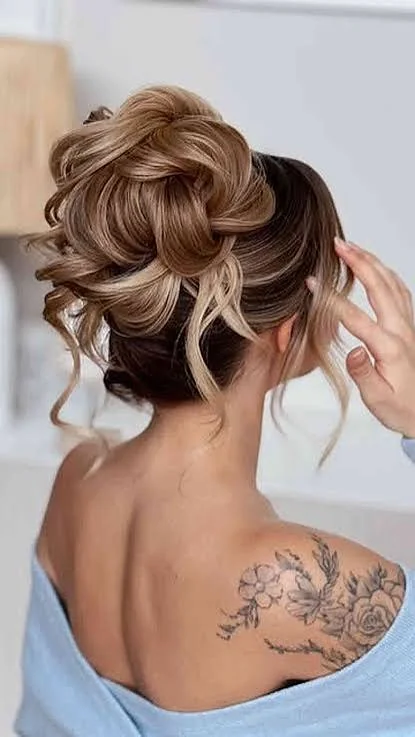
For an event, accessories can change a simple bun dramatically. A minimal clip, decorative pins or a ribbon can add detail while keeping the main shape clean. Long hair gives you enough length to build volume inside the bun, but avoid making the structure so heavy that it becomes uncomfortable.
Hairstyles for Long Hair That Suit Different Face Shapes
Face shape can be a helpful styling reference, but it should not become a rigid rule. Hair texture, personal preference, glasses, neckline and the way you normally part your hair can matter just as much. The goal is to create balance around the face rather than force every person into one supposedly perfect hairstyle.
If you want to soften a strong jaw, movement around the sides of the face can create a gentler outline. If you want to add visual width to a narrow face, waves or fullness near the cheek area can help. A longer face can work well with styles that add width rather than placing all the volume directly on top of the head.
The easiest approach is to identify what you like in photographs of yourself. Notice whether you prefer your hair close to the face or away from it, whether you like volume near the cheeks and whether you feel better with a center or side part. Those observations are often more useful than following a generic face shape chart.
Hairstyles for Long Hair for Weddings and Special Occasions
Special occasion styling is less about choosing the most complicated hairstyle and more about choosing one that works with the outfit and survives the event. Long hair can support romantic waves, braided updos, low chignons, polished ponytails and half up styles. Your neckline and accessories should be considered at the same time because a dramatic hairstyle and a detailed neckline can compete for attention.
For a wedding or formal event, test the hairstyle before the day if possible. Wear it long enough to discover whether the pins hold, whether the style creates scalp discomfort and whether the front looks good from different angles. This is especially useful for long thick hair because the weight can expose weak points in an updo.
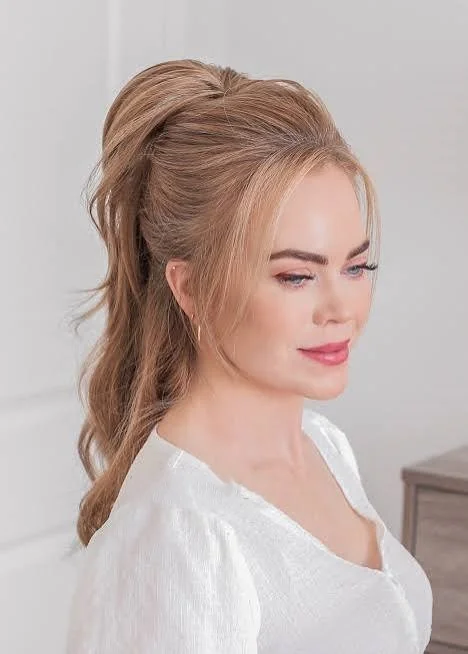
Humidity and movement also matter. A style that looks perfect indoors may soften outdoors, which is not necessarily a problem. Some hairstyles actually become more attractive as they loosen slightly. Choose products and pins for reliable support, but avoid trying to make every strand completely immovable if a softer finish is part of the look.
Hairstyles for Long Hair for Straight, Wavy, Curly and Coily Textures
The same hairstyle behaves differently across textures, so technique should follow the hair rather than fight it. Straight hair can show clean lines and sleek finishes easily, but fine straight hair may lose volume under heavy products. Wavy hair can create natural movement with little effort, although humidity may change the pattern during the day.
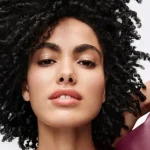
Curly hair often looks best when the cut allows the curl pattern to form without excessive weight at the ends. Coily hair can be styled in many protective and expressive ways, including twists, braids, buns and stretched styles. Shrinkage can make very long textured hair appear much shorter when dry, so the final silhouette should be judged on the texture in which you normally wear it.
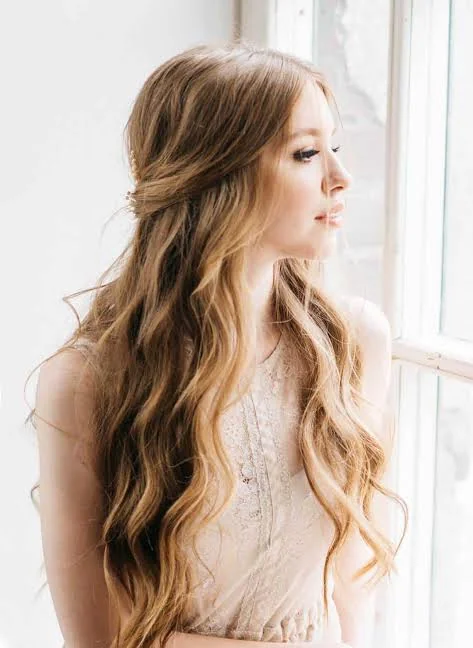
When choosing a reference photograph, look for examples with a similar texture and density rather than focusing only on color or overall aesthetic. A style can be visually inspiring without being technically identical for your hair. Adapt the technique, tension and product level to your own strands.
Hairstyles for Long Hair and Healthy Styling Habits
Good styling starts with healthy handling. Long hair has more surface area and more opportunities for friction, tangling and mechanical stress, especially around collars, bags and hair ties. Detangle patiently, avoid repeatedly tightening the same hairstyle and give your hair breaks from styles that pull in one direction.
Heat styling can be useful, but repeated high heat can make hair more fragile. Use the lowest effective temperature for your hair, keep hot tools moving and use appropriate heat protection when you style with heat. If the ends become rough, reduce unnecessary heat sessions and focus on conditioning and gentle handling.
Regular trims can help maintain the shape of a long hairstyle even when you are trying to grow the hair longer. A trim does not make hair grow faster, but it can remove damaged ends and keep the perimeter looking intentional. If you notice persistent breakage, unusual shedding or scalp concerns, a qualified professional can help.
Common Mistakes People Make With Hairstyles for Long Hair
One common mistake is copying a hairstyle without considering hair density. A style created for very thick hair can look flat on fine hair, while a style designed for fine strands may become bulky when recreated on dense hair. Texture also changes the amount of visible length, so the reference should be treated as inspiration rather than an exact blueprint.
Another mistake is using too much product. Long hair can need enough hold to maintain a style, but layering several heavy products can make the roots flat and the lengths dull. Start with a small amount, distribute it evenly and add more only when the hair clearly needs additional control.
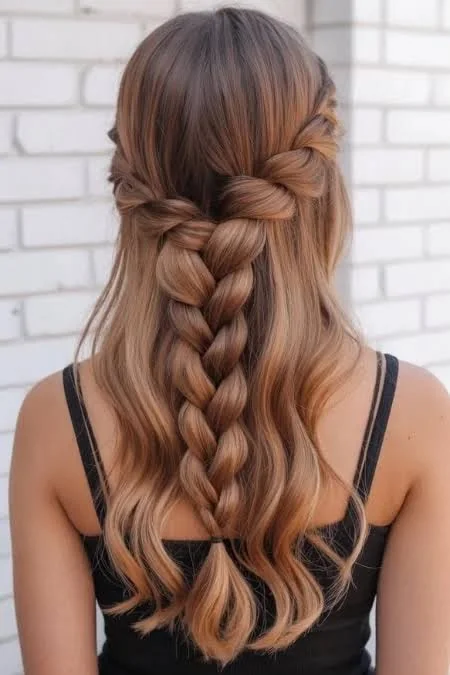
Tension is another issue worth watching. Tight ponytails, repeated high buns and aggressive brushing can place stress on the same areas. If a hairstyle hurts while you are wearing it, that discomfort is useful feedback. Loosen it, change the placement or choose another style rather than treating pain as the price of looking polished.
Final Thoughts on Hairstyles for Long Hair
The best long hairstyle is rarely the one that requires the most skill. It is the one that matches the way your hair naturally behaves and the way you actually live. Professional hair guides consistently emphasize versatility, texture, face shape and lifestyle when choosing long hair cuts and styles, while current trend coverage also highlights movement and natural looking finishes.
Start with a few dependable shapes: one ponytail, one braid, one bun, one loose texture style and one half up option. Once those basics work, small changes in parting, volume, accessories and texture can create many different looks without requiring a completely new technique each time.
Long hair gives you room to experiment, but it does not require you to style every strand every day. Sometimes the most flattering choice is simply healthy hair with a clean shape and a finish that feels comfortable. Use these ideas as a menu, then adapt them to your texture, schedule and personal style.
FAQs
What are the best hairstyles for long hair for everyday wear?
Low ponytails, simple braids, half up styles, loose buns and natural waves are practical everyday choices. The best option depends on your texture, how much time you have and whether you want the hair loose or controlled.
Which hairstyles for long hair are easiest for beginners?
A low ponytail, three strand braid, simple bun and half up ponytail are good starting points. They use familiar movements and can be changed with small details such as a different part or a wrapped hair tie.
Which hairstyles for long hair work for fine hair?
Fine long hair often benefits from shapes that preserve fullness at the ends. Soft long layers, gentle waves, half up styles and ponytails with light texture can add visual movement without removing too much density.
Which hairstyles for long hair work for thick hair?
Braids, low buns, ponytails and strategic layered cuts can help manage thick long hair. Internal layering may reduce bulk while preserving a fuller outer shape, but the amount should be adjusted to the hair’s density.
Are layers good for long hair?
Layers can be useful when you want movement or reduced weight, but the right amount depends on density and texture. Fine hair may need fewer layers, while thick hair can often support more strategic shaping.
What hairstyles for long hair are good for work?
A low ponytail, polished bun, controlled braid, half up style or smooth waves can work well in professional settings. Choose a style that stays secure and comfortable rather than requiring frequent adjustment.
What hairstyles for long hair are good for weddings?
Romantic waves, low chignons, braided updos, polished ponytails and half up styles are versatile options. The best choice should complement the outfit, neckline, accessories and amount of movement expected.
How can I make a ponytail look more stylish?
Change its height, add texture, wrap a small section around the elastic or combine the ponytail with a braid. A clean part and controlled base can also make a simple ponytail look more polished.
How can I style long hair without heat?
Try braids, twists, a loose bun, a heatless wave method or a half up style. Heatless methods work well when you start with slightly damp or naturally textured hair and allow enough time for the shape to set.
Can face shape determine the best hairstyle for long hair?
Face shape can provide useful guidance, but it should not be the only factor. Texture, density, personal preference, glasses, neckline and lifestyle can be equally important.
How can I reduce damage from long hairstyles?
Avoid excessive tension, change where you place ponytails and buns, detangle gently and limit unnecessary heat. If a hairstyle causes pain or repeated pulling in one area, loosen it or choose another shape.
Can curly or coily hair use the same hairstyles as straight hair?
Many hairstyles can be adapted, but the technique needs to respect natural texture. Curl shrinkage, density and the way hair responds to tension can change the final shape, so use texture appropriate references.